May started with the fulfilment of a dream I’ve had for a long time: attending the Shuttleworth Season Premiere Air Show at Old Warden. The day started grey, but the clouds soon dispersed to reveal a hot and sunny afternoon for the air displays. As I took more than 1300 photos that day, to narrow it down to just twenty-five is very hard. Cue the picture snake!
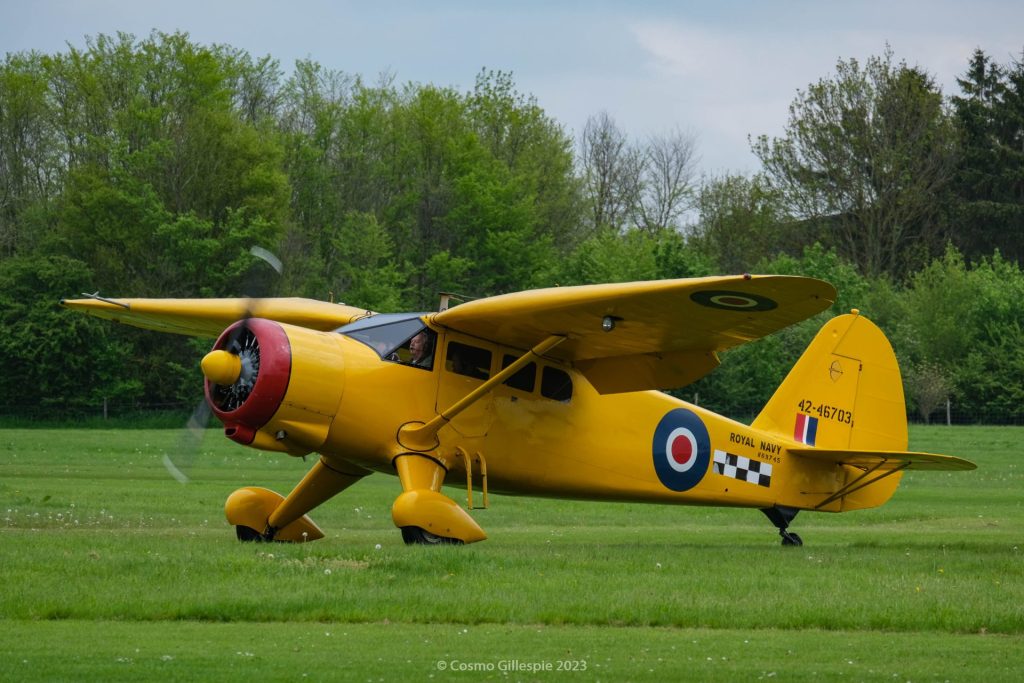
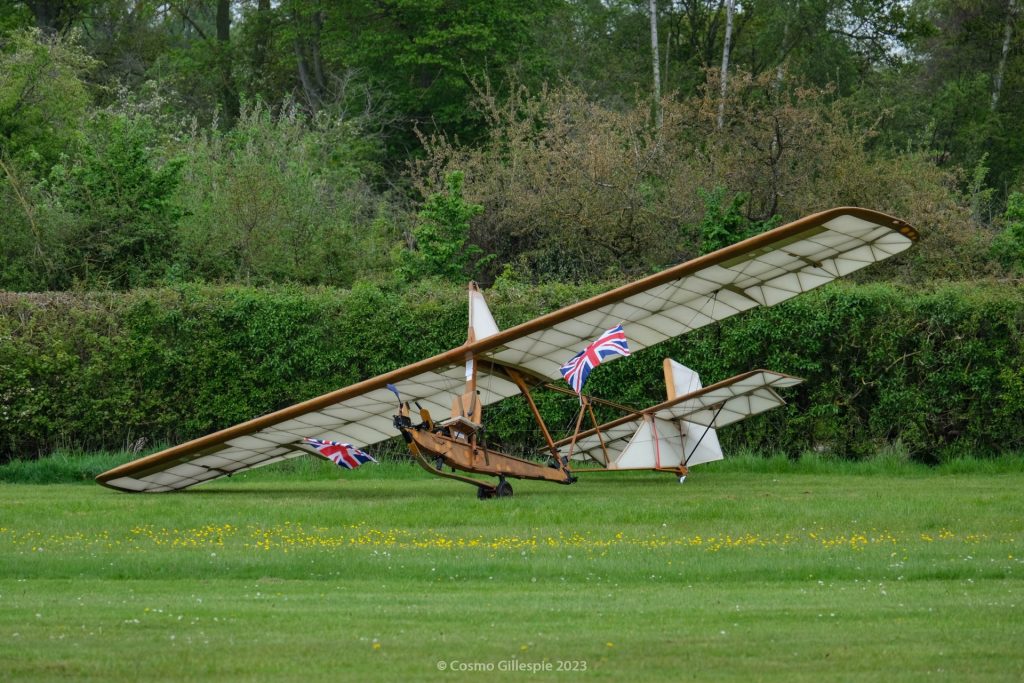
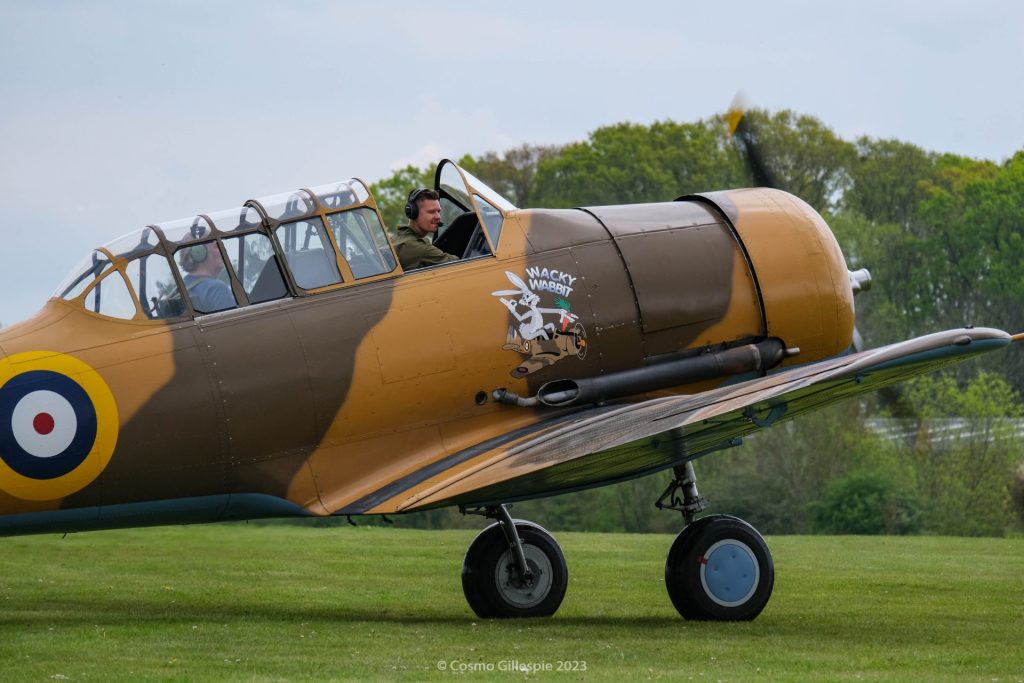
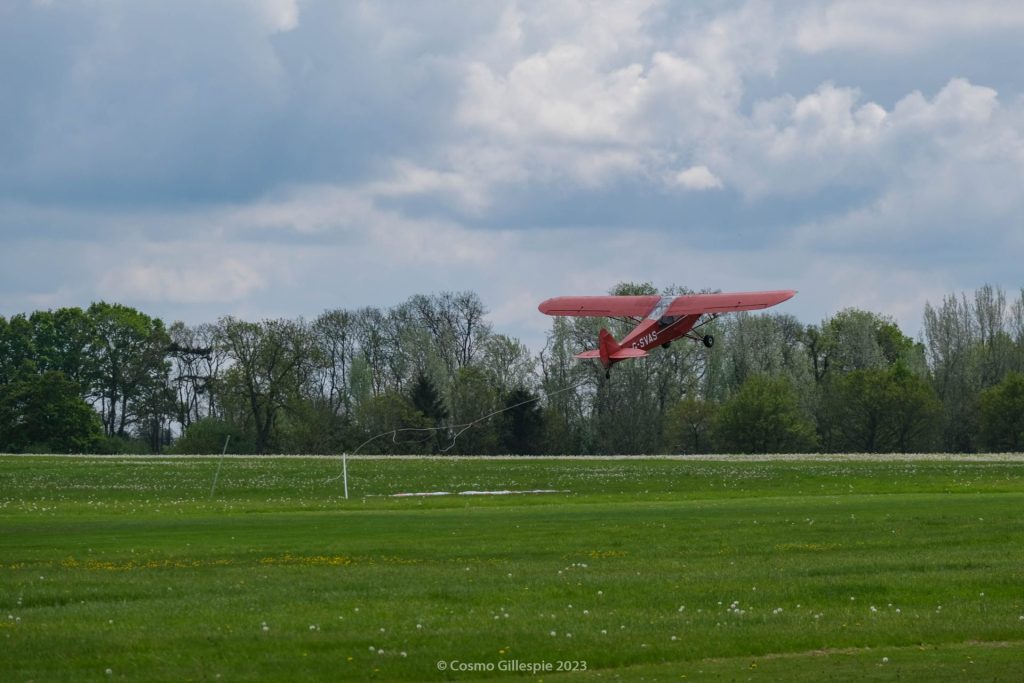
Above left: Stinson Reliant 42-46703, operated by Navy Wings. Above middle: An Elliots of Newbury Primary glider. Above right: North American T-6 Harvard ‘Wacky Wabbit’ giving passenger flights. Right: Piper Cub G-SVAS picking up a banner which read ‘God Save The King’- but upside-down!
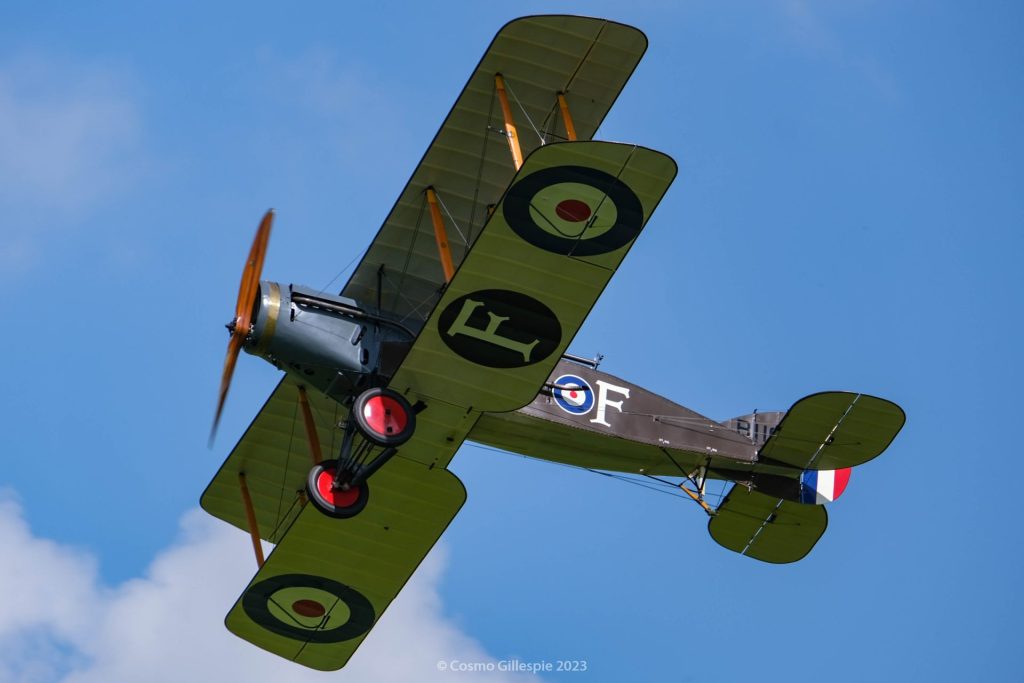
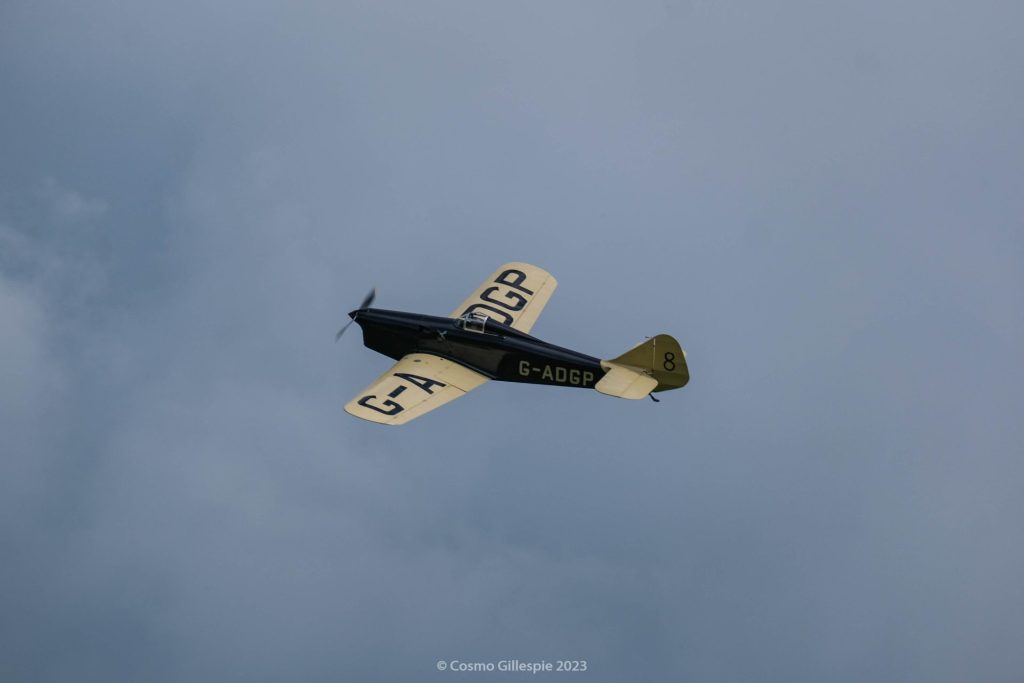
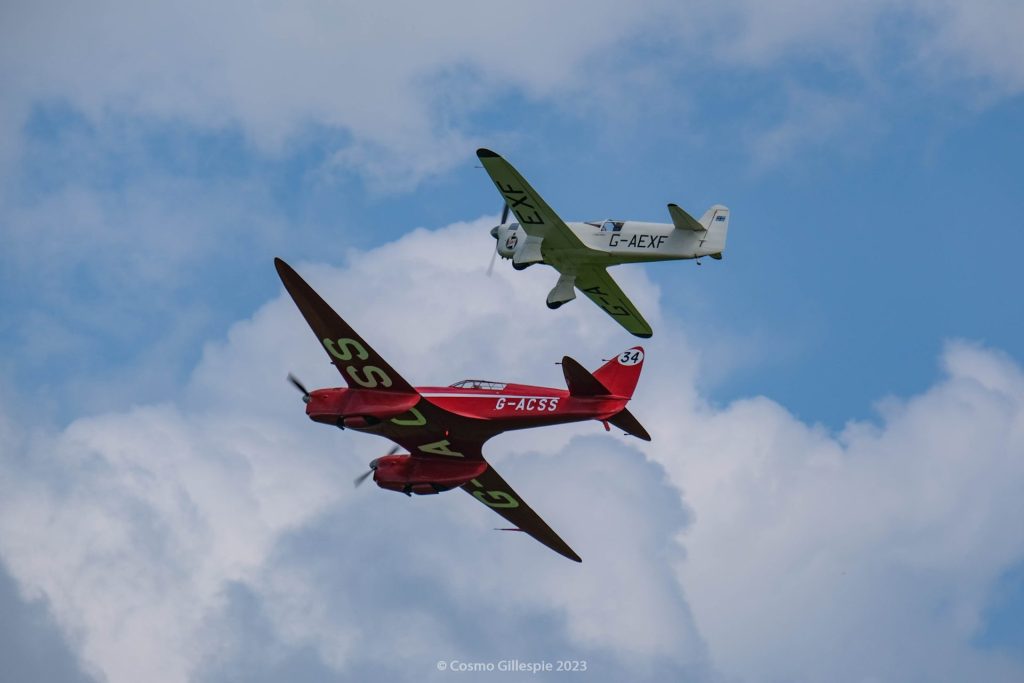
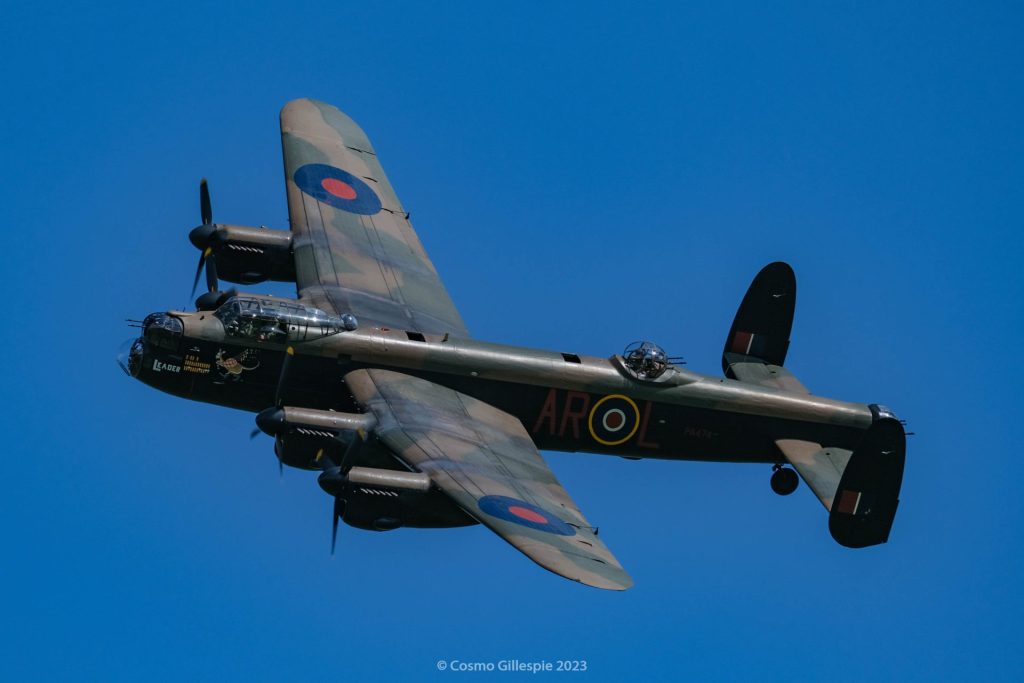
Above left: An uncropped shot of a Bristol Fighter which I was lucky to frame so well! Above middle: Miles Hawk Speed Six G-ADGP, one of the collection’s vintage racing aircraft. Above right: de Havilland DH.88 Comet G-ACSS ‘Grosvenor House’ and Percival Mew Gull G-AEXF, two other vintage racing aircraft, displaying in formation. Left: The RAF Battle Of Britain Memorial Flight’s Lancaster ‘Leader’ flying low over the crowd line.
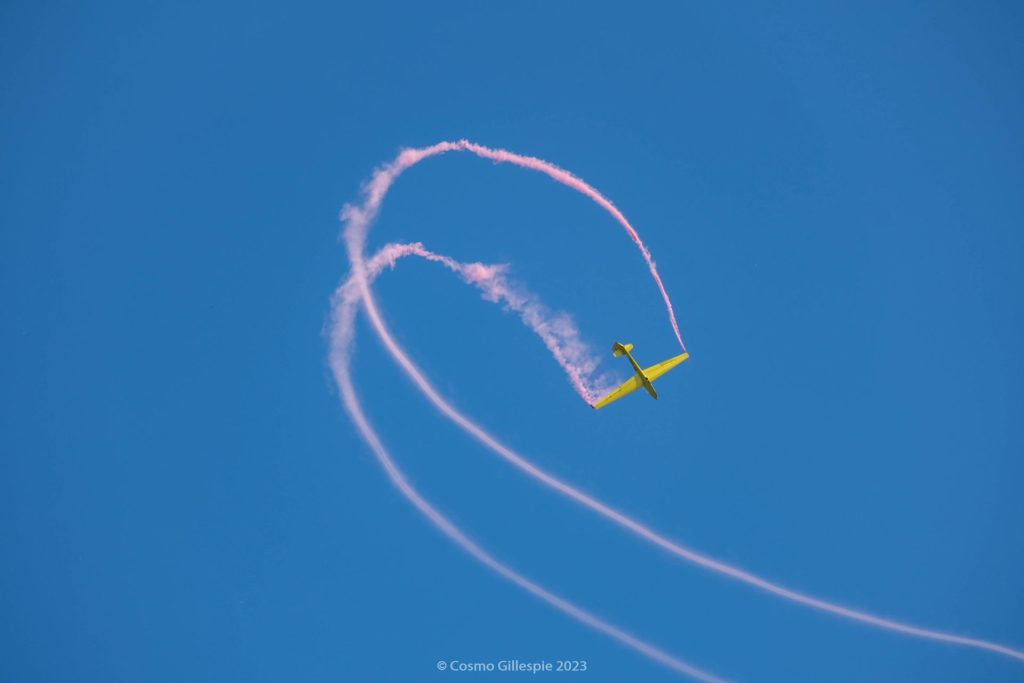
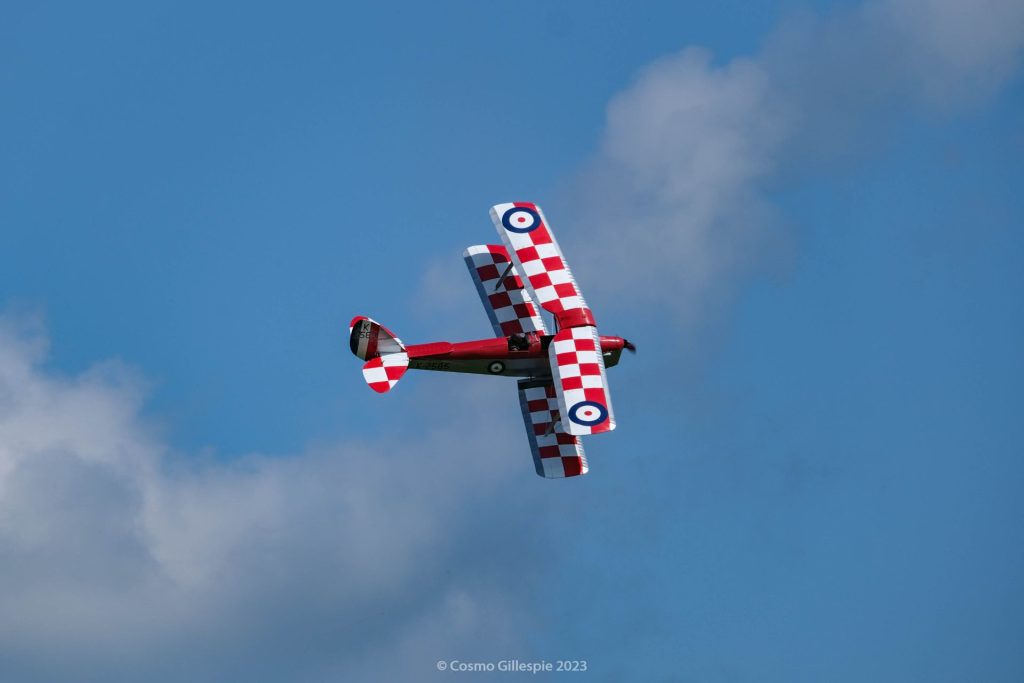
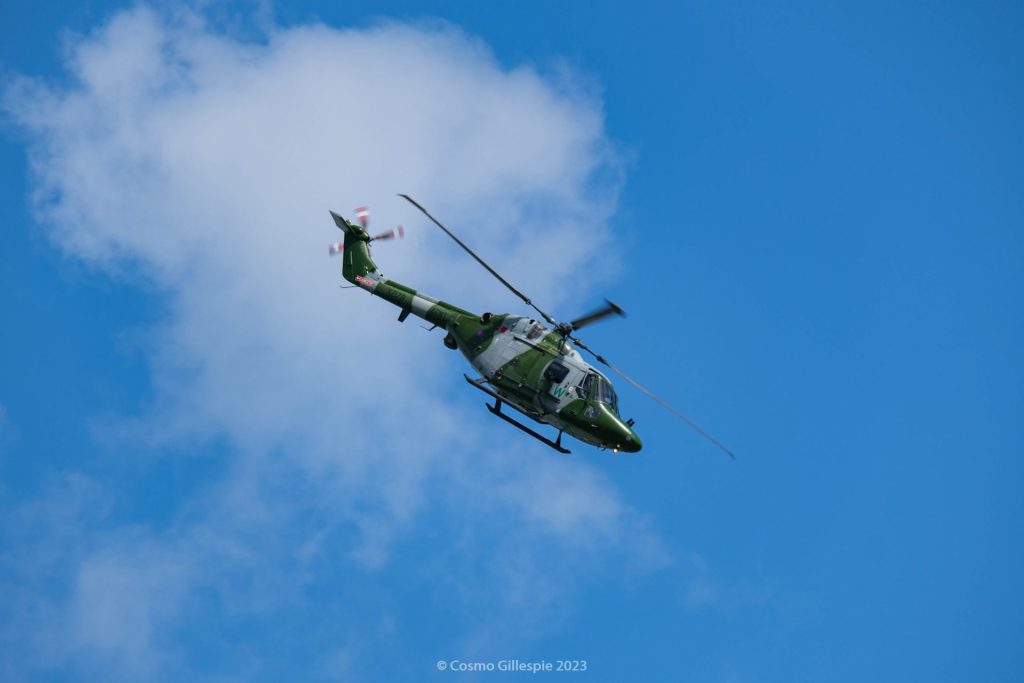
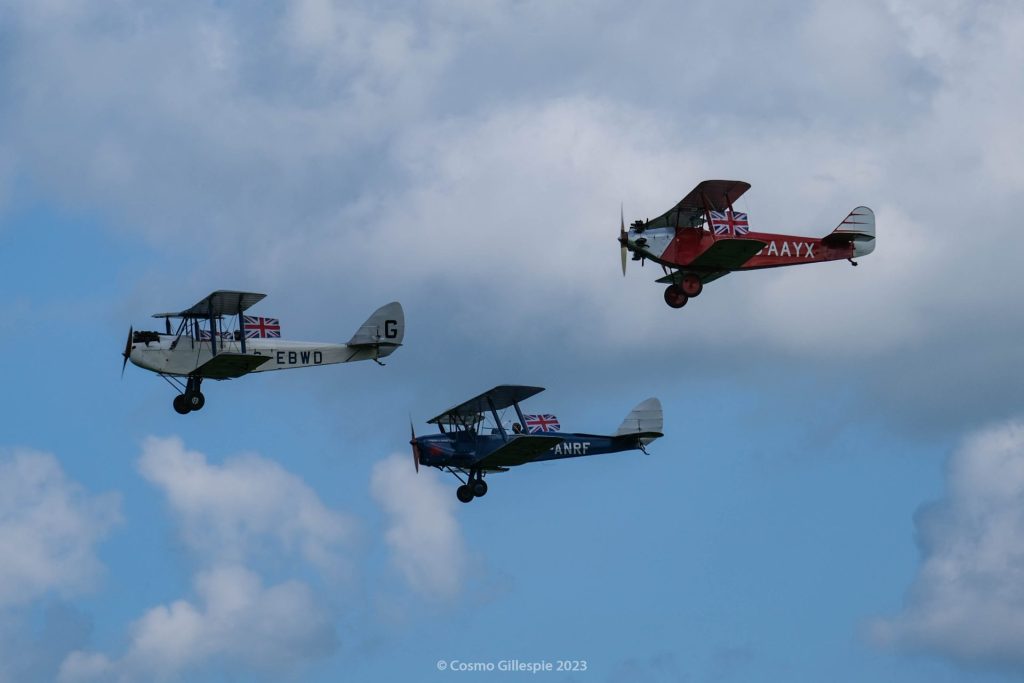
Above left: Letov LF-107 Luòák glider CK-0927 during an aerobatic sequence. Above middle: de Havilland Tiger Moth K-2585. Above right: Westland Lynx XZ179, operated by Project Lynx. Right: A red white and blue three-ship of Southern Martlet G-AAYX, de Havilland Tiger Moth G-ANRF, and de Havilland Hermes Moth G-EBWD.

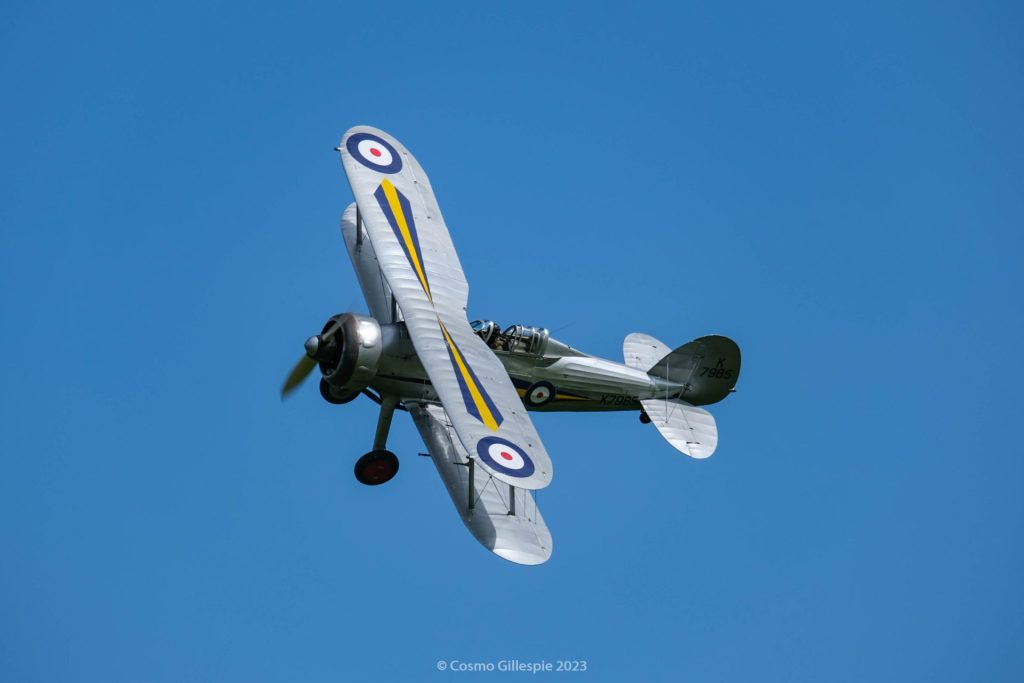
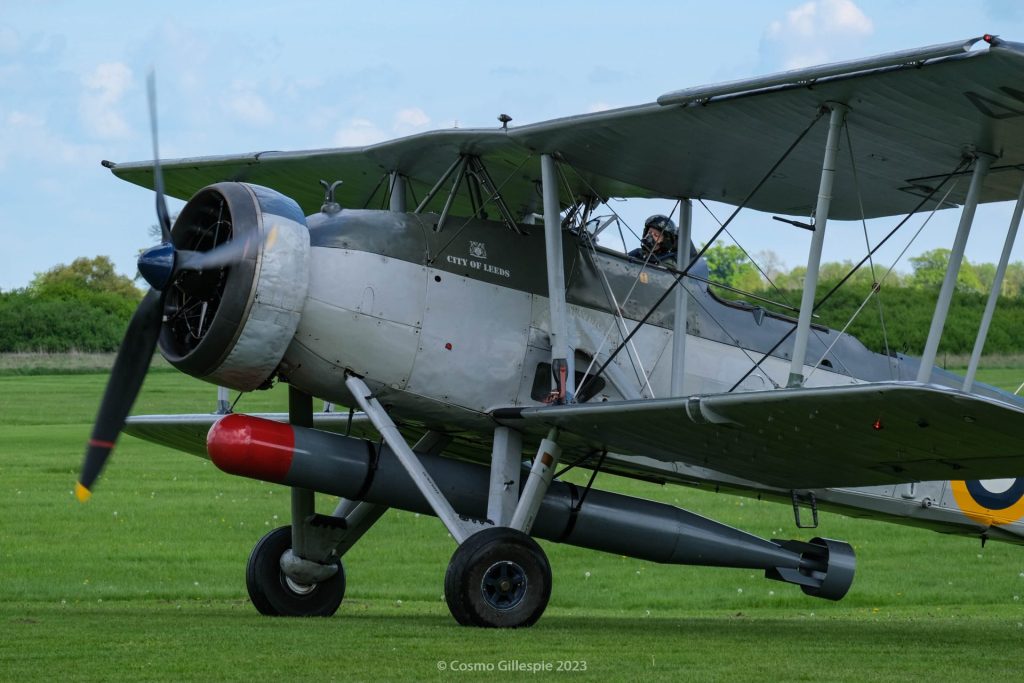
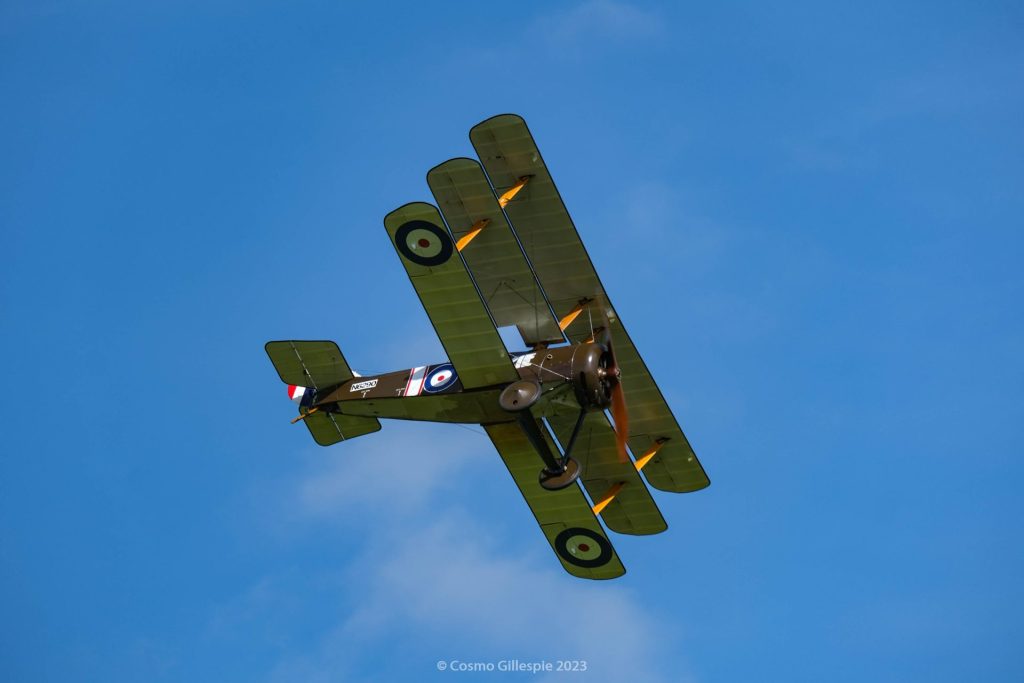
Above left: Westland Lysander V9367, an aircraft I was particularly excited to see as it’s one of only two still flying in the UK. Above middle: Gloster Gladiator G-AMRK K7985. Above right: Fairey Swordfish W5856, the oldest survivor of its type, operated by Navy Wings. Left: Sopwith Triplane N6290.
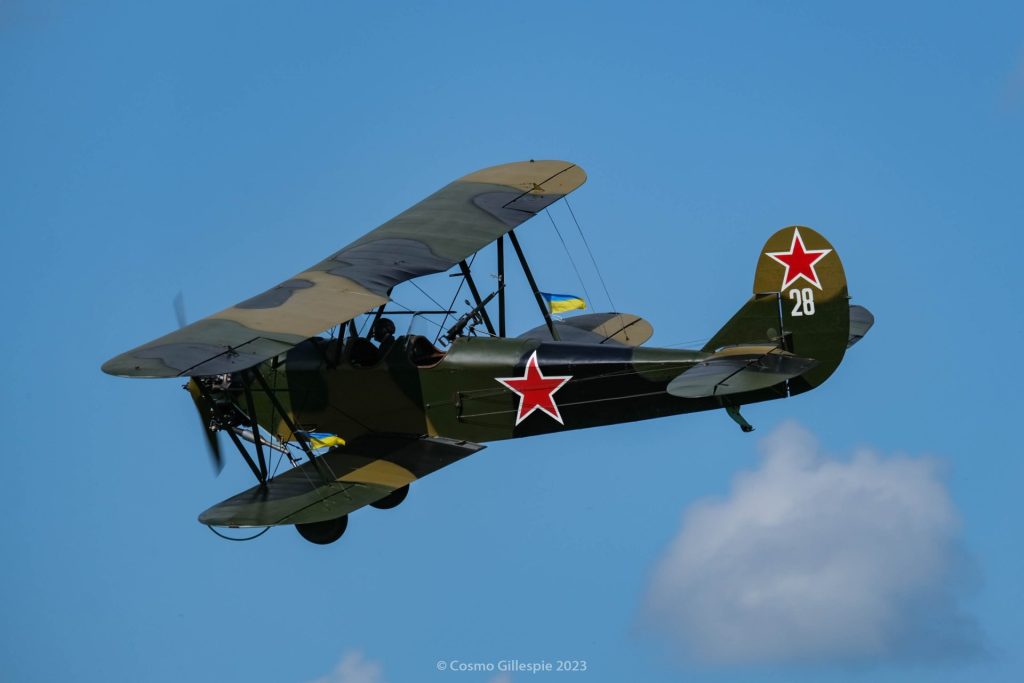
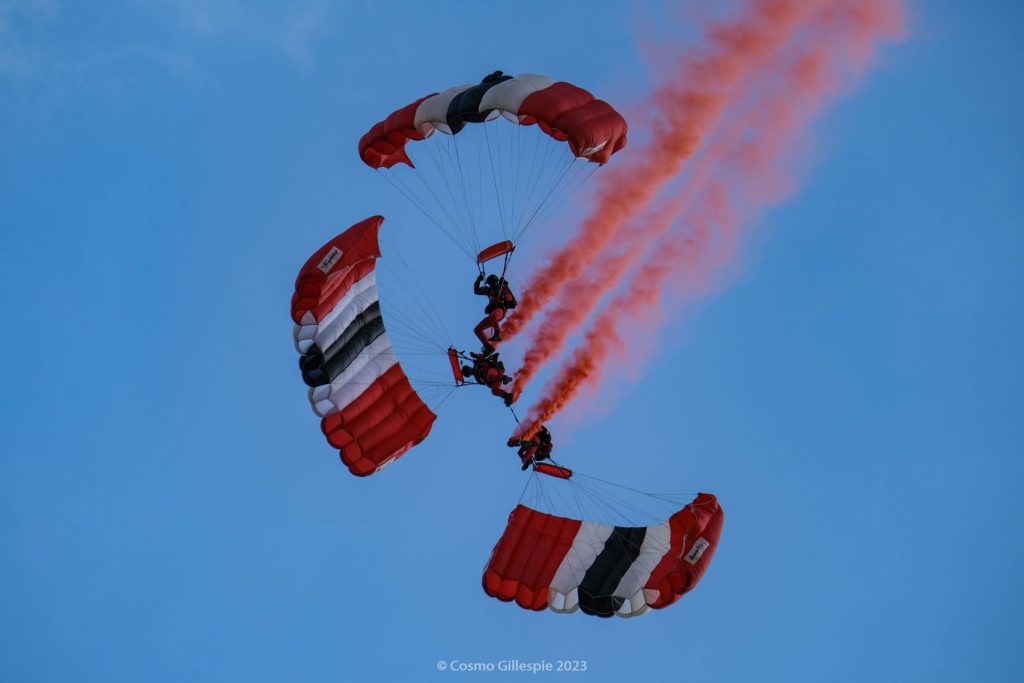
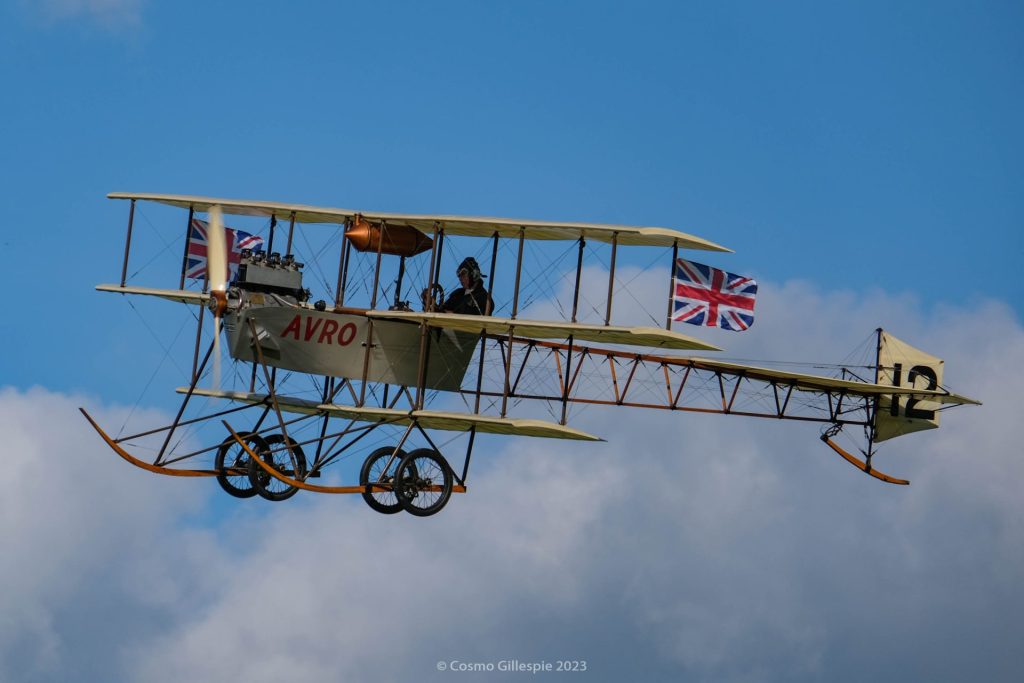
Above left: Polikarpov Po-2 G-BSSY flying Ukrainian flags on its struts. Above middle: The Red Devils Army Parachute Display team jump into Old Warden in formation. Above right: Roe IV Triplane displays alongside the Bristol Boxkite (right), both being examples of reproductions of Edwardian designs. They were built for the 1965 film ‘Those Magnificent Men In Their Flying Machines’.

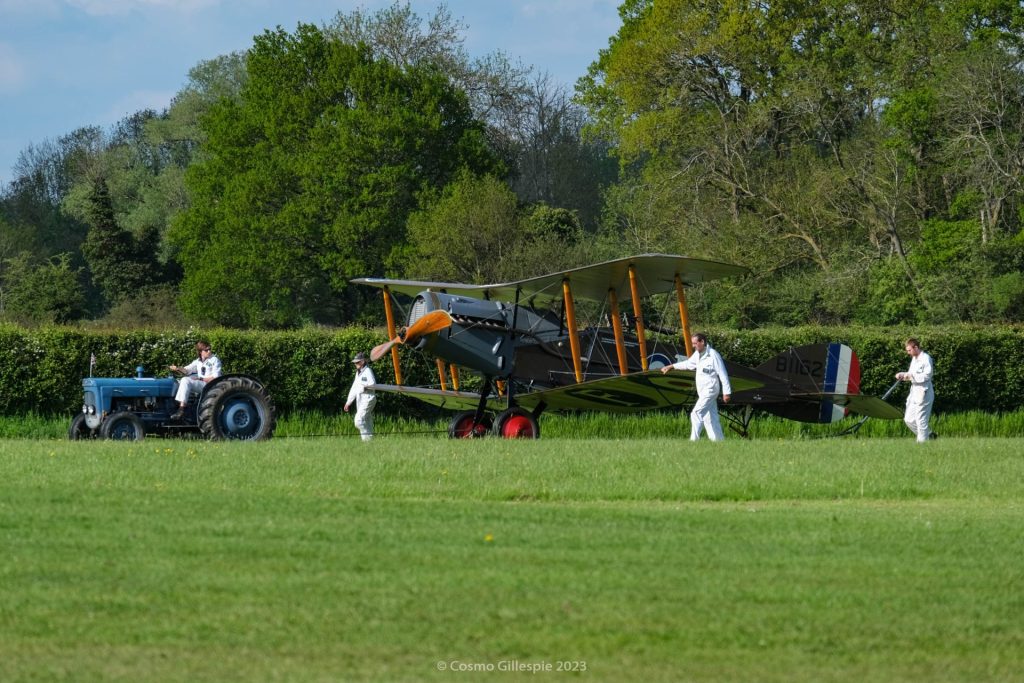

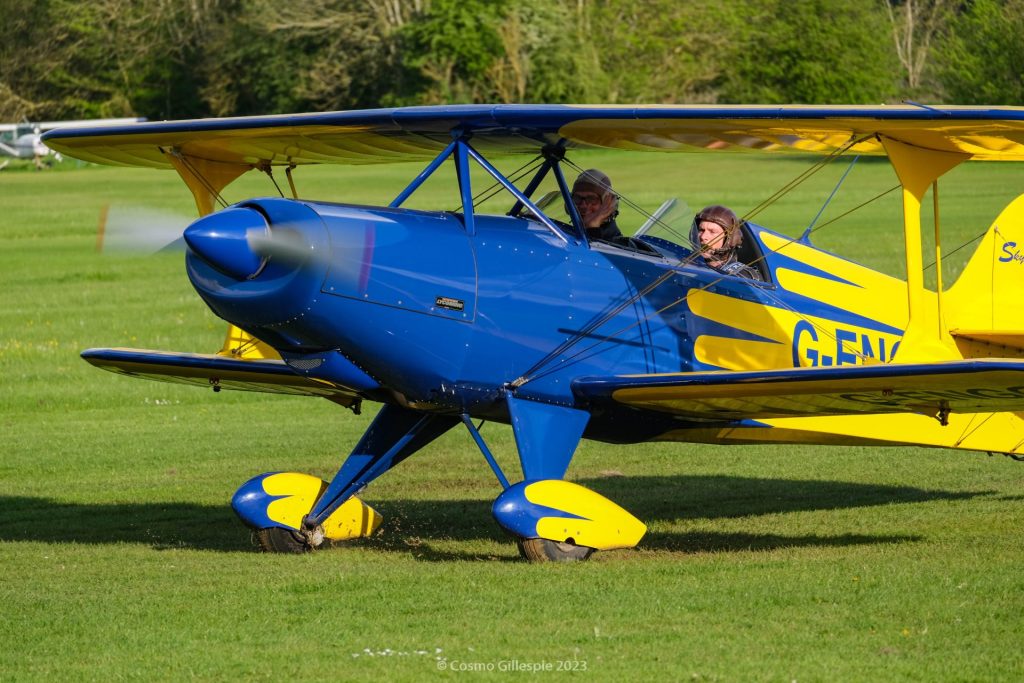
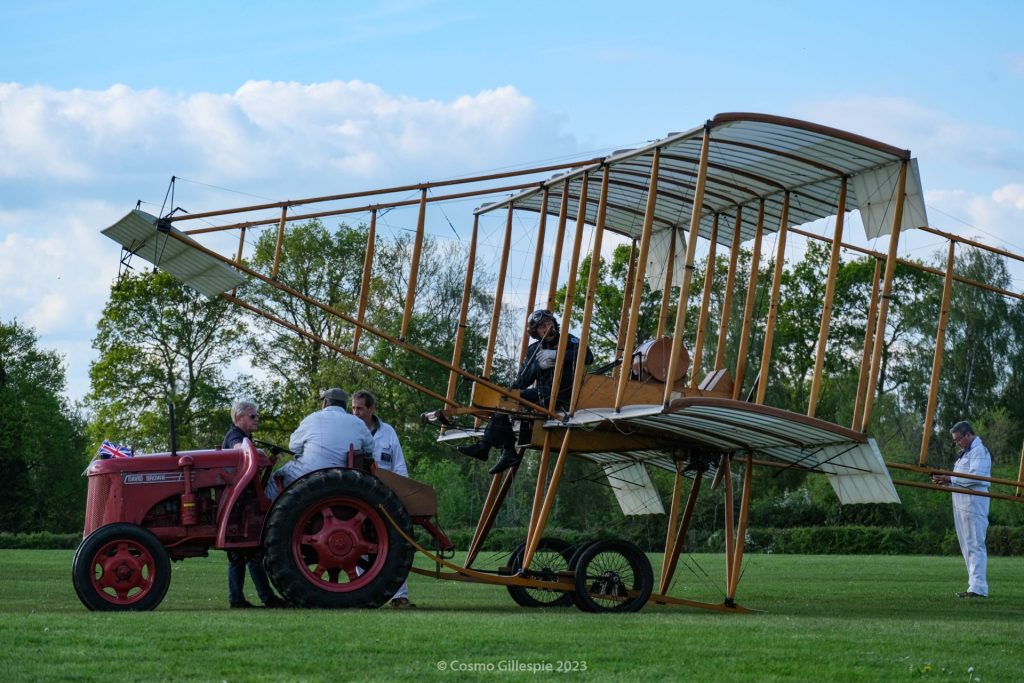
Above left and left: A salute to the fantastic ground crew with some after-landing scenes, with the Bristol Fighter (above) and the Bristol Boxkite (below). Above middle: the all-red de Havilland Chipmunk used to teach Royals to fly. Above right: The pilot of Steen Skybolt G-ENGO gives me a wave as he prepares to depart.
As with my visit to RAF Coningsby, my main hurdle was working out where to be and when, as there was so much was going on. Other than the aircraft, a number of vintage cars, buses, steam engines, and motorbikes were all parading about in mint condition, creating an amazing display of motor vehicles. A wonderful display line up at a small airfield, geared towards heritage, is one which I will definitely try to visit again next year.
This month saw the start of my Constellation Collection project, where I aim to take a complete picture of all eighty-eight constellations in the night sky. It will be a long-term project, as many are only visible in the southern hemisphere, but just then was as good a time as any to start. My couple of night-time sessions this month were mainly focused on working out the settings and techniques that I would need to get the pictures I wanted, as well as researching what would be where and what equipment I would need.
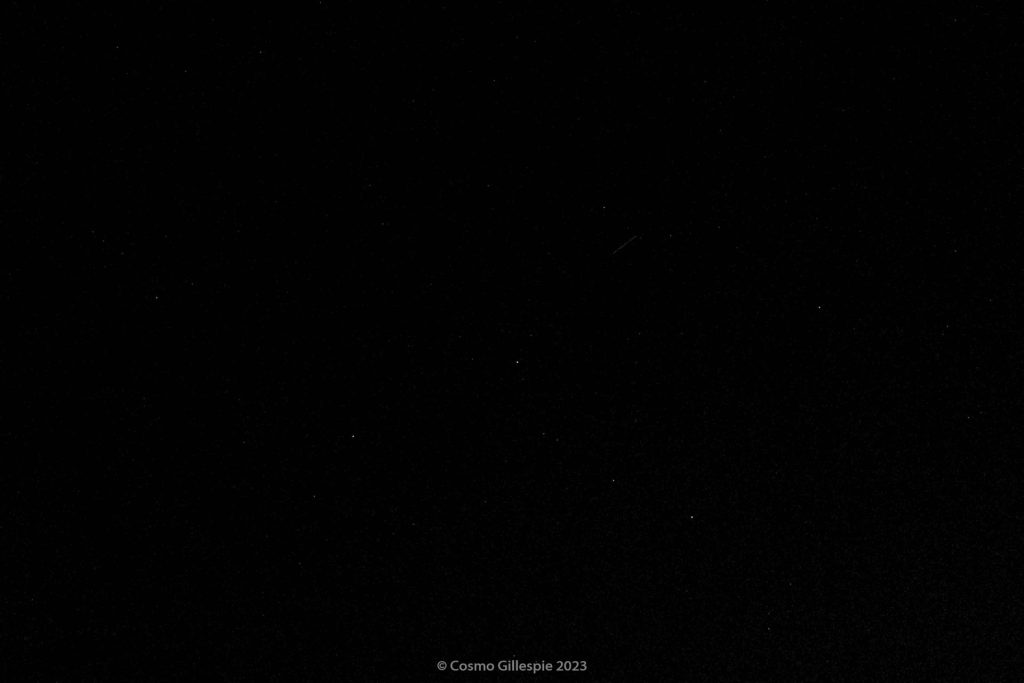
My baseline was this photo which I promise is of Cassiopeia, a black sky with a few pinpricks of light. It was taken on pretty much automatic settings, 8/5s, f/4.6, ISO 80, which have what is now an obviously too small aperture and slow shutter speed. My aim was to get the picture looking much more like I was seeing with the naked eye, or preferably better.
I made my breakthrough when I took a break from camera-wrangling and tried using my phone’s auto settings to see what they could get me. A lot, it seemed! Although my first few photos were unfocused, badly composed, and distinctly too warm-toned, there was much more detail and I could see the potential for nicer colours once the temperature was balanced. It was copying those settings into my camera which led me towards an actual best balance.
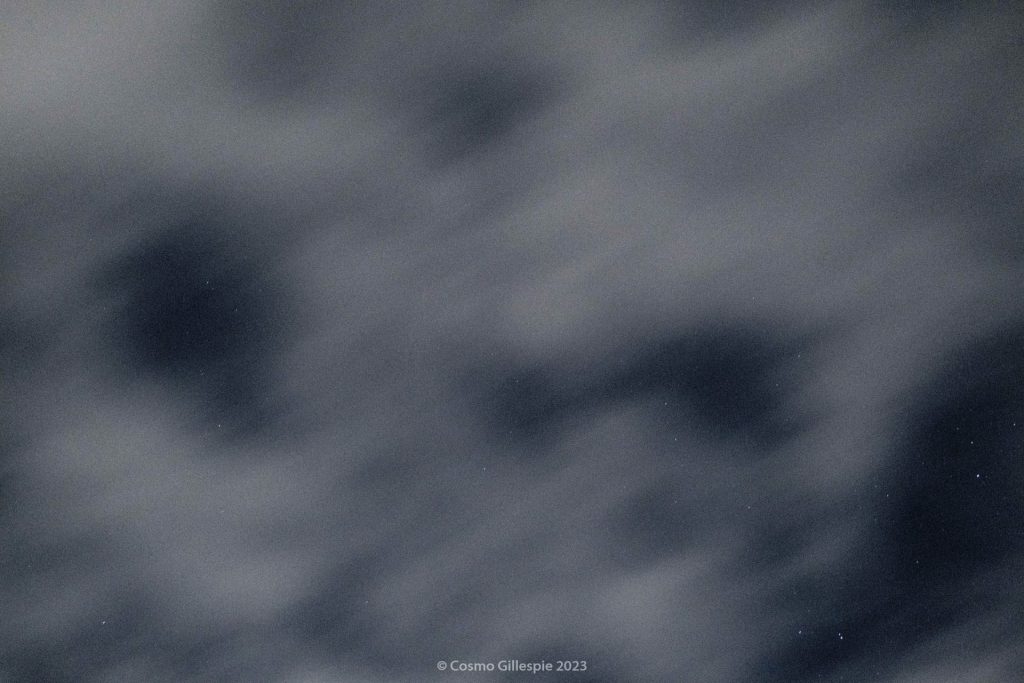
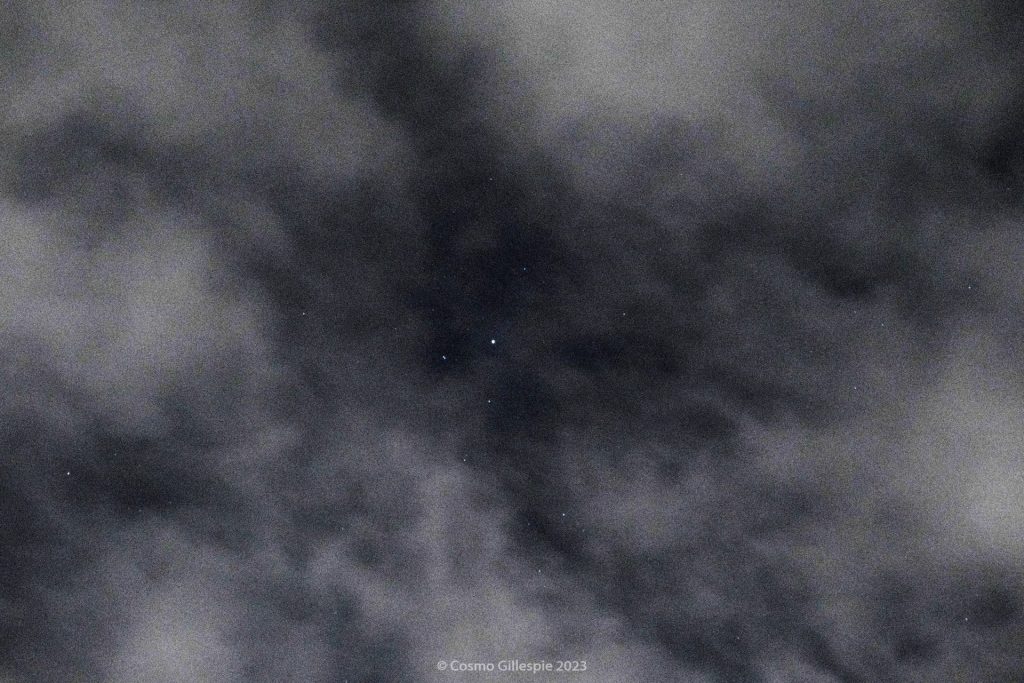
Above left: a better exposure, but now the clouds were hampering my efforts. 5s, f/4.5, ISO 2000. Above right: A lucky glimpse of Vega, and most of Lyra. 1s, f/3.6, ISO 3200. The cloud blurring was something I liked, but when I realised it was blocking out most of my chances to see stars, I decreased the shutter speed to avoid it and increased the ISO to compensate.
At the end of the second night, I had my shutter speed, aperture, and ISO in a balance which got me a nice blue night sky and enough star colours to really bring them out properly in post-production. I also found that these settings showed me more of the stars than just the brightest ones.
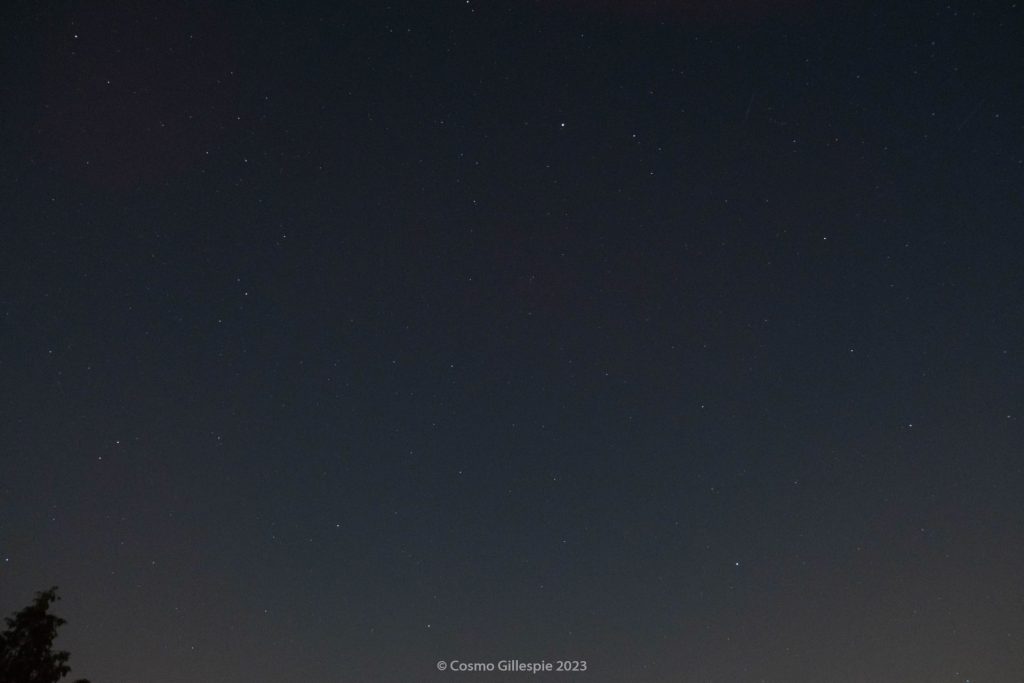
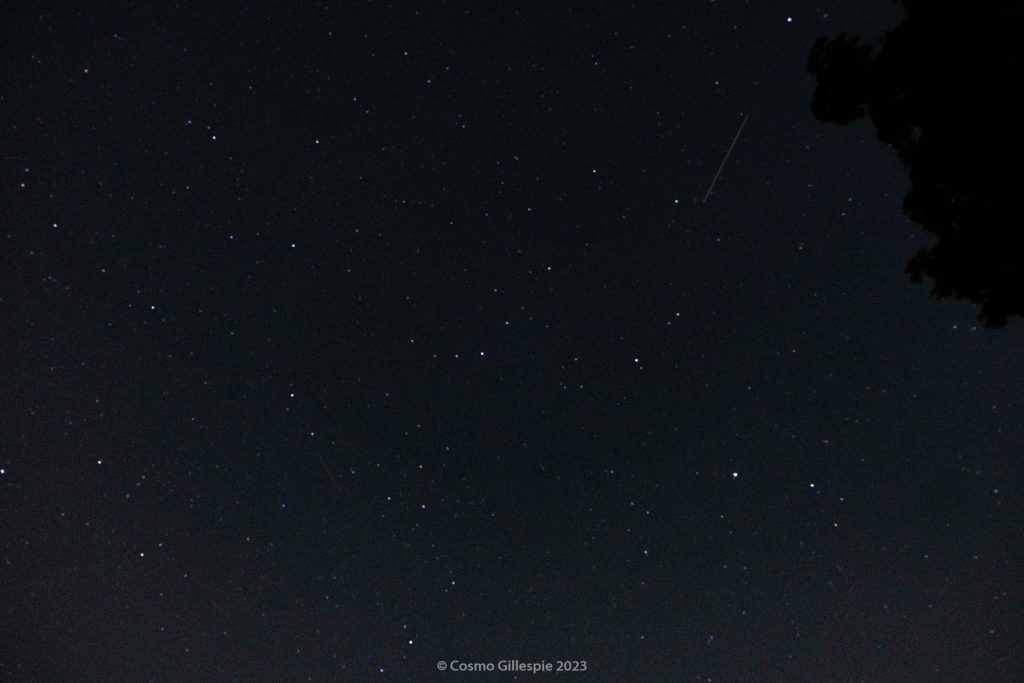
Above left: the first photo where I knew I was onto something- the combination of large aperture and medium ISO. Now I just had to point my camera in the right direction. 5s, f/3.6, ISO 3200. Above right: the colours are far more vibrant, but I missed the focus point. Boötes, Corona Borealis, and parts of Hercules and Serpens Caput are still clear to see, though, as well as a satellite transit in the top right corner. 10s, f/2.8, ISO 1600.
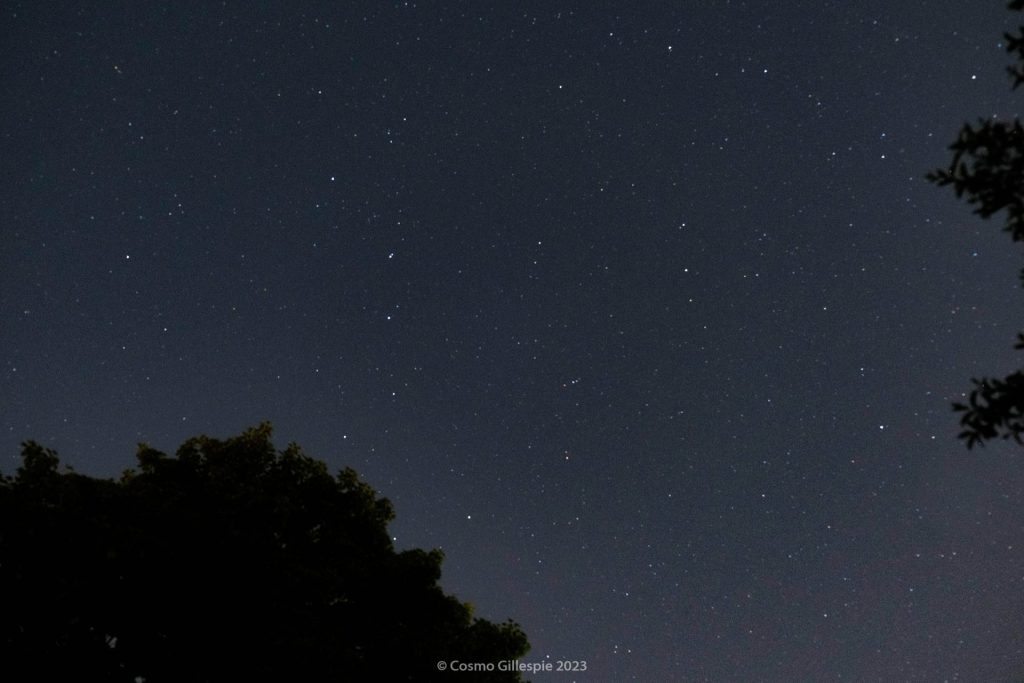
Despite the trees, this picture caught Ursa Minor, the big dipper asterism, and parts of Canes Venatici and Draco. The colours and details are magnificent, even if the focus point is a little missed, and to see even the green on the trees is amazing. 15s, f/2.8, ISO 1600.
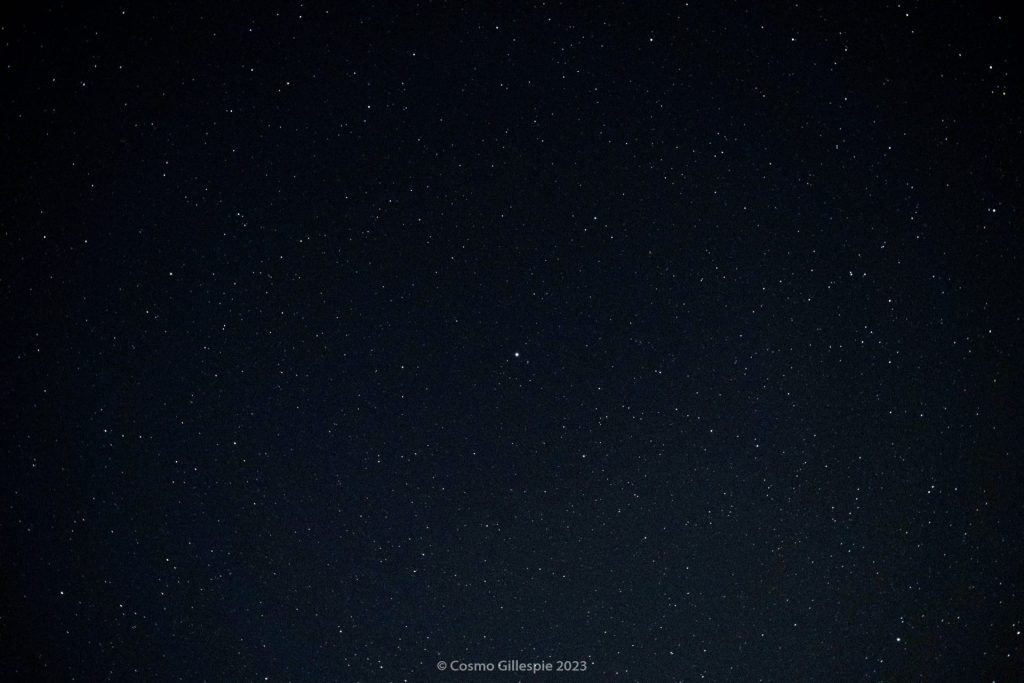
My best picture of the two nights, and still one of my best astrophotos, was this long exposure of Polaris and the surrounding sky. When in post-processing, I found that it details the rarely-seen engagement ring asterism, as well as a myriad of surrounding stars. 30s, f/4.5, ISO 2000.
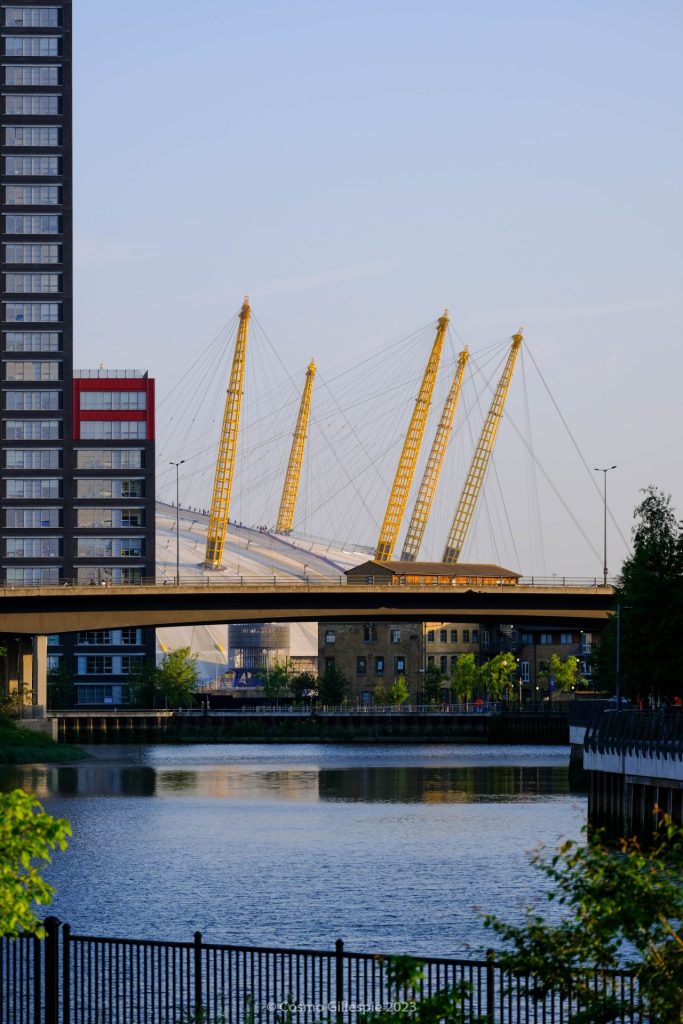
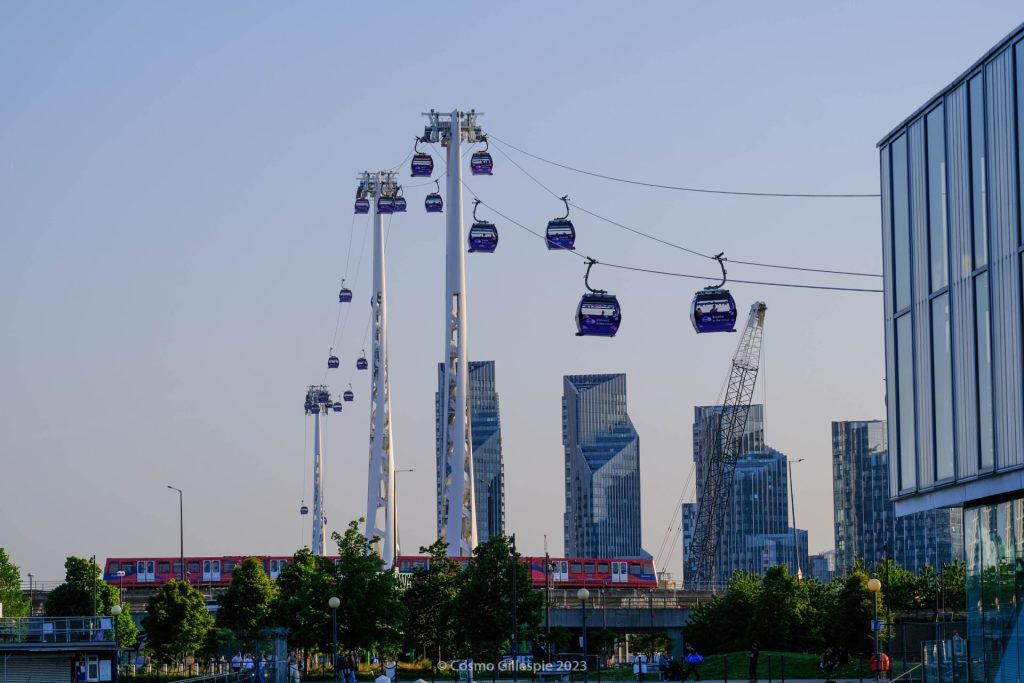
I also briefly visited the London Docklands area, which I happened to be passing through and saw it was close to a golden sunset. The IFS Cloud cable car was in operation, and although, sadly, I didn’t have the time to travel on it, it did make a good set piece, particularly in conjunction with a train on the DLR track running just beneath it. I waited faithfully for it to come around a few times, burst-shooting to get just the right shot, and it worked out brilliantly. The colours came out very nicely as well, with warm blues and sky tones to match the yellow spires of the O2. To get so many symbols of the docklands in one picture- the cable car, DLR, River Thames, and high-rise buildings, as well as the O2 complete with a group of people starting their walk over it- felt like an excellent achievement, and even led to a local brand asking to repost my image on Instagram. It was the perfect end to a great day.

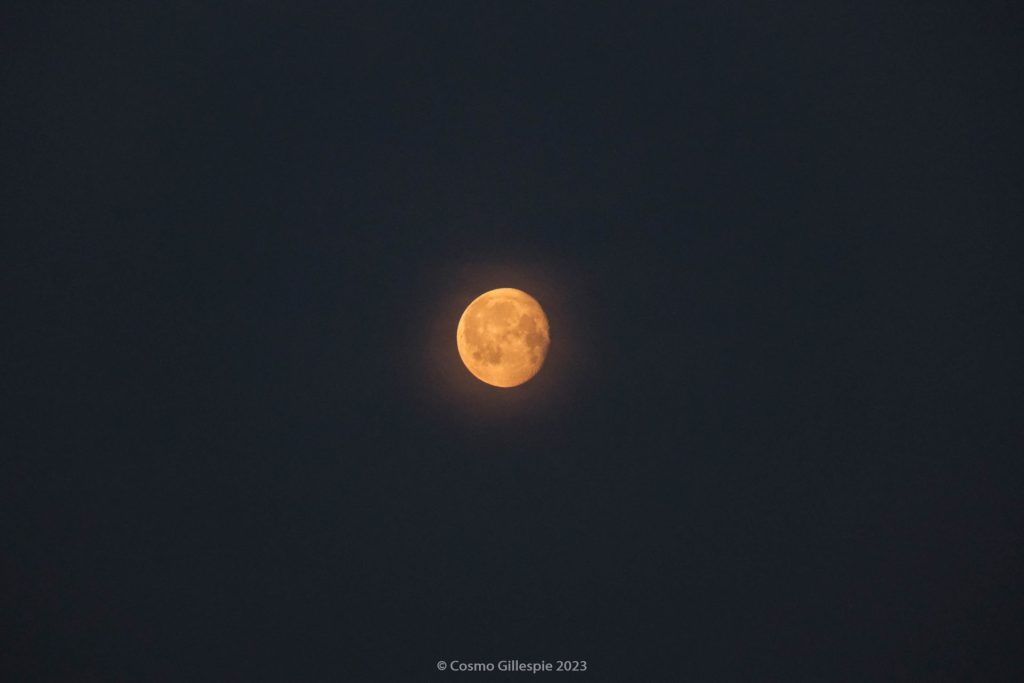
Only a few extra pictures from this month, taken on a number of walks. The photo of the moon, bottom right, was actually taken in the late afternoon/early evening, meaning that the soft orange colour is natural, and didn’t even need the assistance of a tripod. 1/320s, f/6.7, ISO 4000.