Another busy month had me travelling once again, first to Cropredy, Oxfordshire for the folk music festival Fairport’s Cropredy Convention. Three nights of acts gave me plenty of opportunities to practice my low-light gig photography, and the surrounding days allowed time for some interesting wandering.
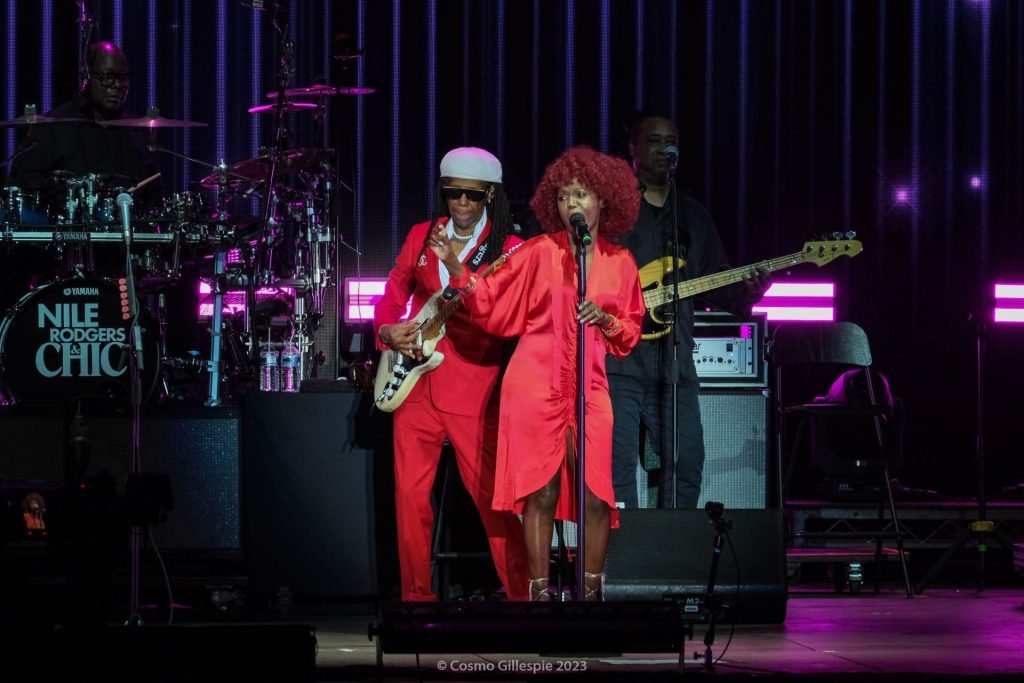
Acts over the three festival nights included 10cc, Nile Rodgers and CHIC, Fisherman’s Friends, Toyah & Robert Fripp, and Gilbert O’Sullivan, as well as the titular Fairport Convention. With the headline sets happening late at night, well after dark, they were the most high-stakes to work with. I had to know exactly which settings to use, balancing manual and automatic, and work out the best way to deal with my subject being very brightly lit in an otherwise dark environment; perfect if I wanted to focus on them, but blocking a lot of the atmosphere.
Below: Top left: 10cc, 1/320s, f/6, ISO 6400. Top right: Nile Rodgers and CHIC, 1/320s, f/6.7, ISO 2500. Bottom left: Fisherman’s Friends, 1/60s, f/4.5, ISO 2000. Bottom right: Toyah & Robert Fripp, 1/320s, f/6.7, ISO 1250.


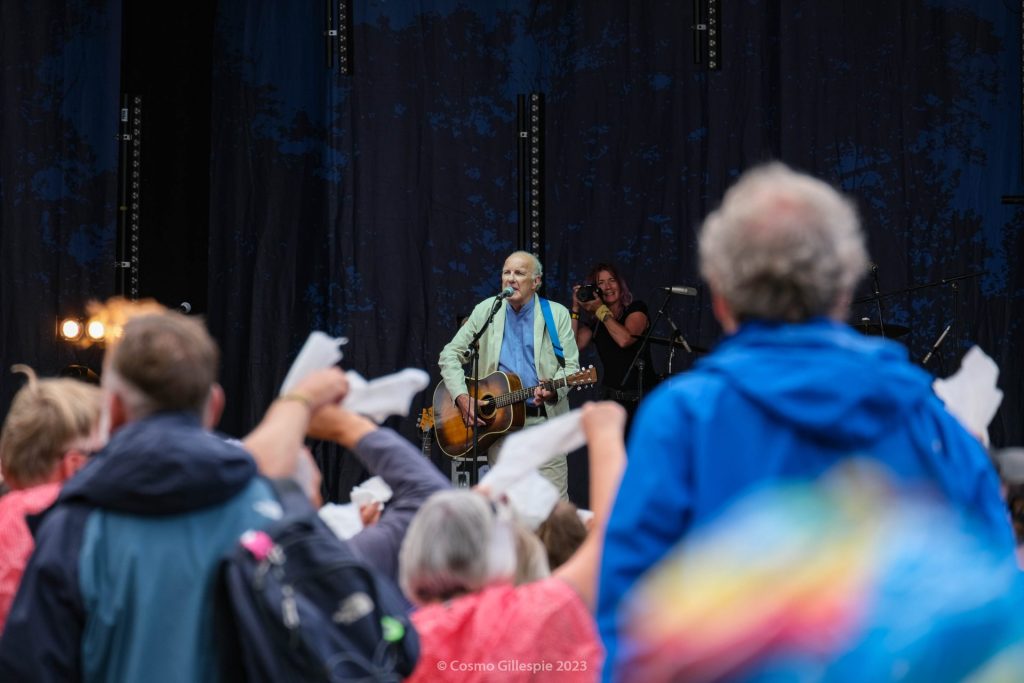
Daytime performances, such as Richard Digance (below left), Kiki Dee & Carmelo Luggeri (below right), and Fairport Acoustic, were somewhat easier to capture. This was not only because of the natural lighting, but because I could get much closer to the stage without the press of the standing crowd. The even quality of the lighting over both the stage and the crowd also meant that they added a greater festival atmosphere to the photos, something I frequently struggled to capture later in the evening.


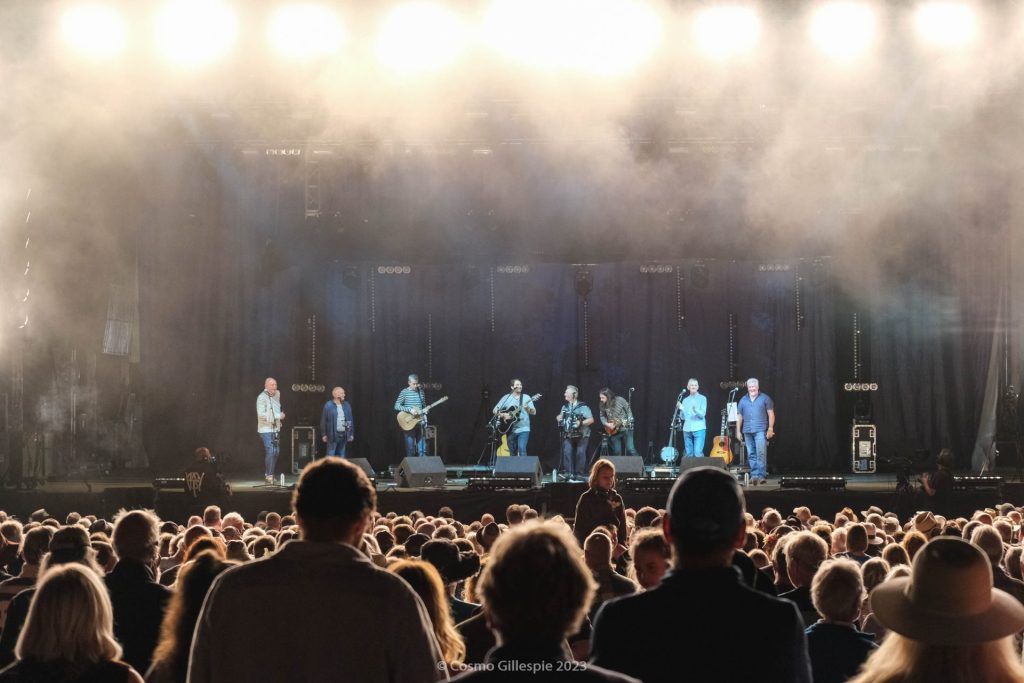
During the evening performances, I had to make a deliberate effort I I wanted the crowd in frame, particularly when outward-facing stage lights were on. I find that it helps to recreate the festival atmosphere, rather than just cropping straight to the artists. While shots like those are nice to have, it’s not how it actually was, and one of my aims is to recreate the moment as well as I can in a still image. This is shown in the picture of Fisherman’s Friends above, and also in the image of them to the left.
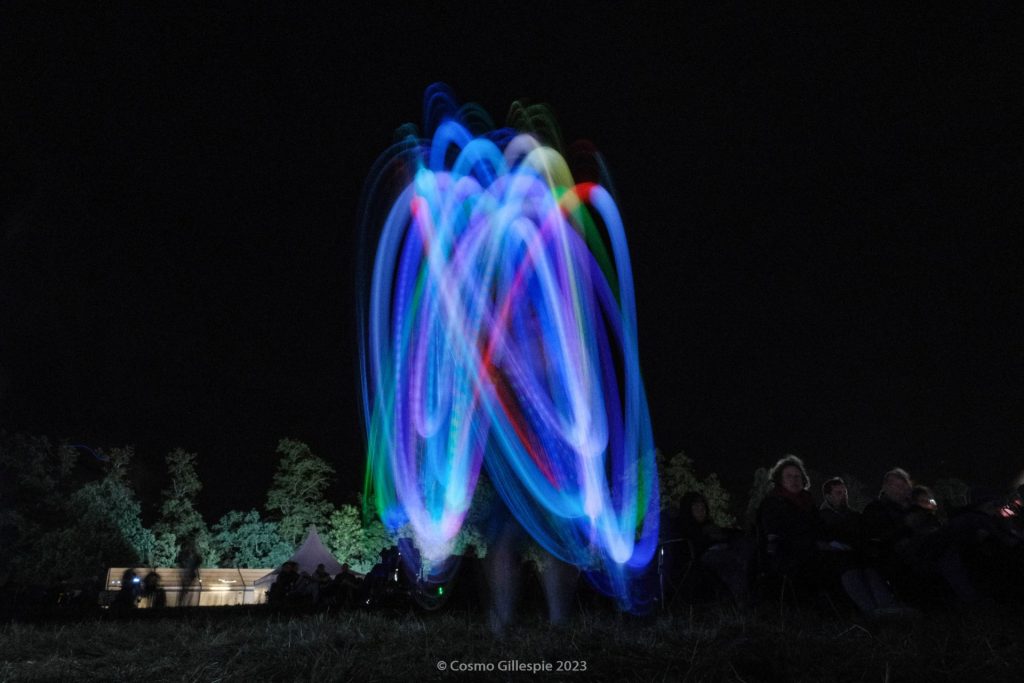
I also saw a lady dancing with a pair of LED poi whilst in the festival field, an excellent opportunity for a long exposure. The dancer kindly agreed to have her picture taken, and I returned a few minutes later with my travel tripod. After some trial and error, I decided that a shorter exposure achieved the effect that I was aiming for, and got some shots that the dancer was very pleased with.
Below left: A spaghetti-style mess; interesting, but it’s not clear what I’ve actually taken a picture of. 5s, f/20, ISO 3200. Below middle: Better colours, but still lacking the simplicity that I had in mind. 3s, f/16, ISO 3200. Below right: One of my favourite shots, as the detail of the tails at the end of the poi is very visible. 1s, f/9, ISO 3200.


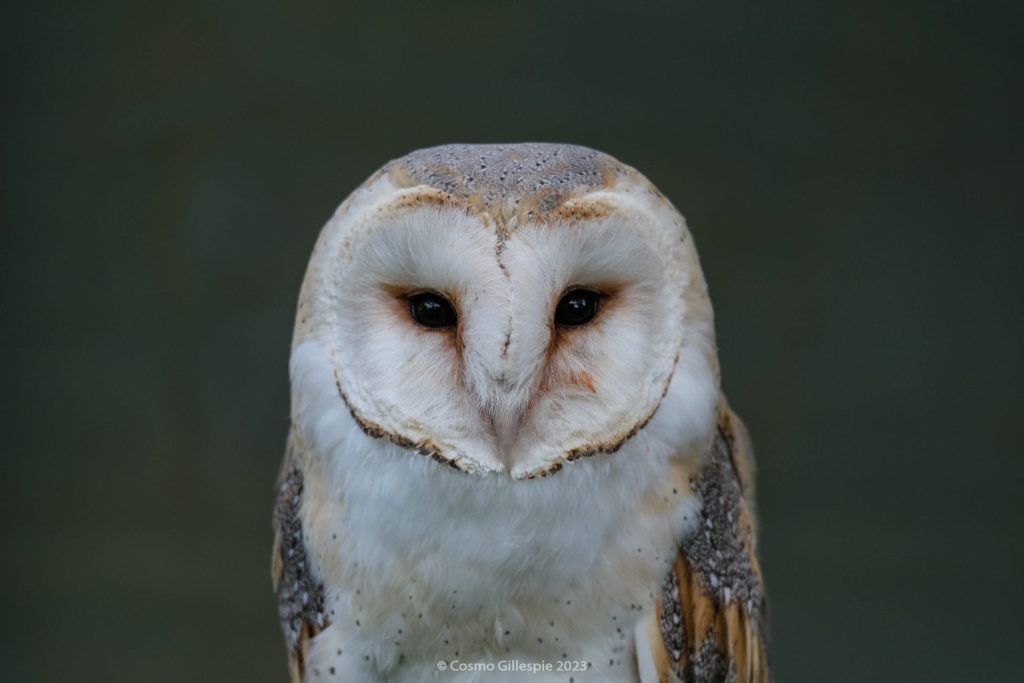
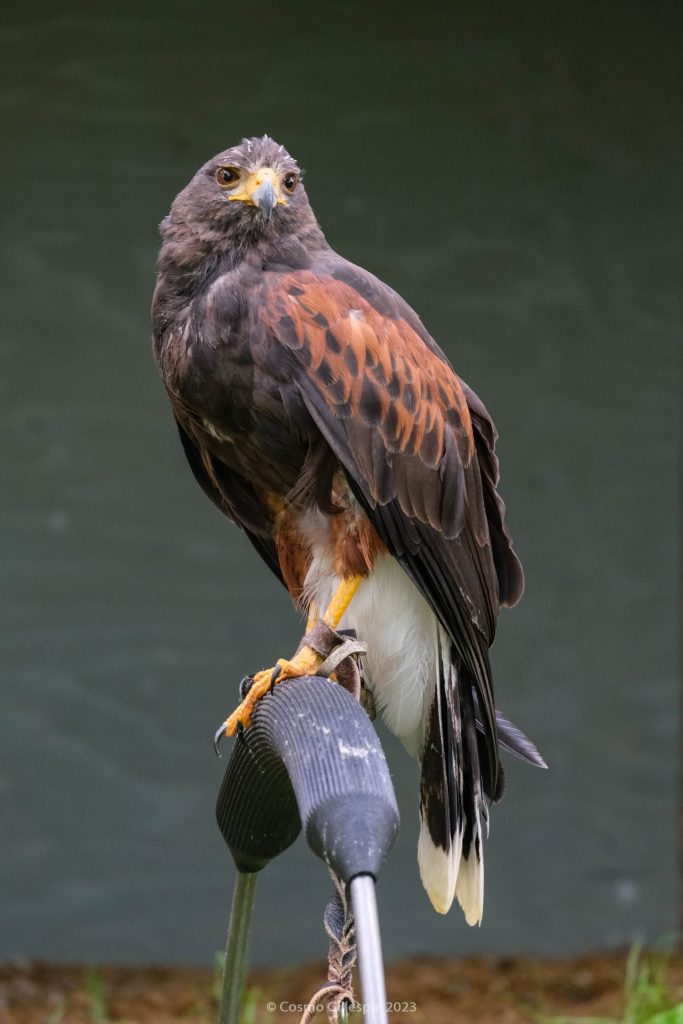
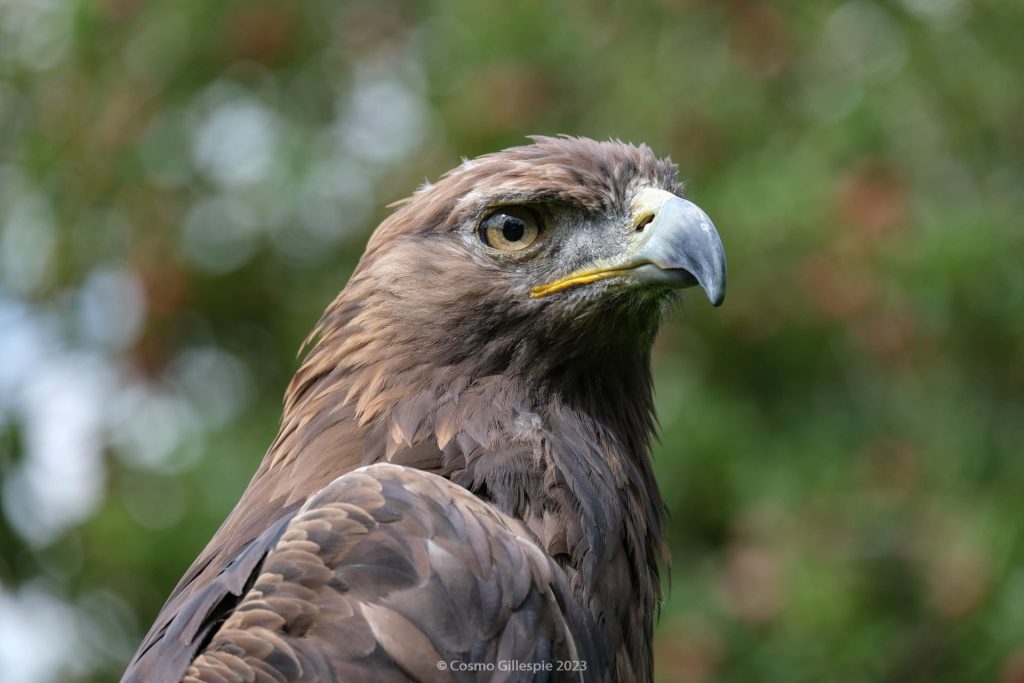
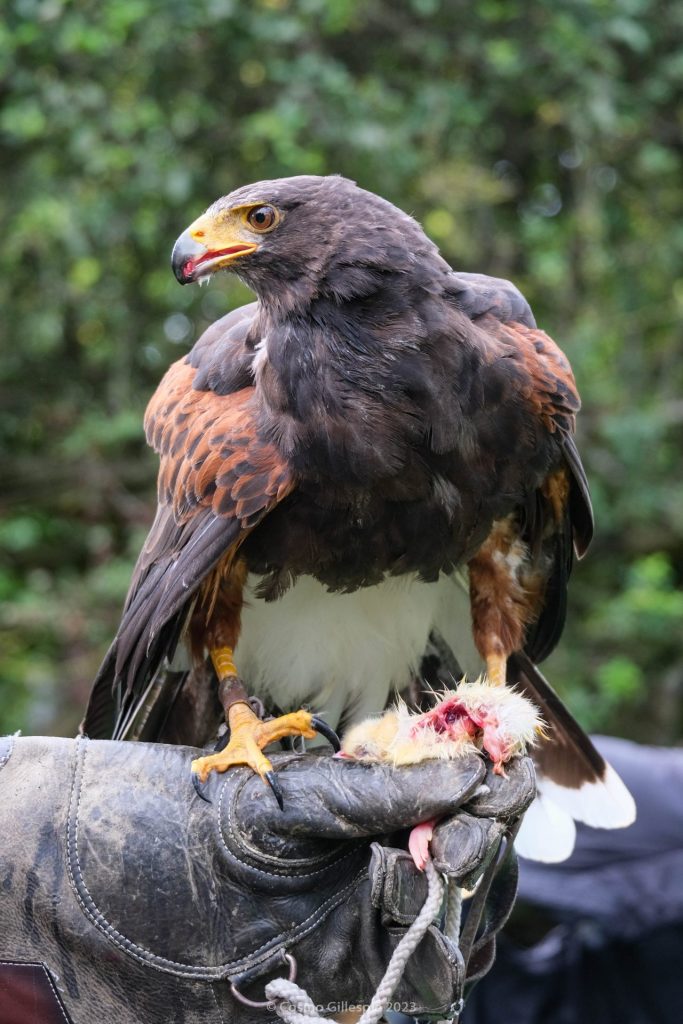
Apart from the festival, there was much to do in the surrounding area. My favourite visit was to The Old Dairy Farm Falconry, which had a number of bred-in-captivity birds of prey. Many of them were being handled by staff and guests, whilst more sat on perches and, in the case of the Golden Eagle on the right, screamed for attention (and also winked, in this picture!). Below top left: A Barn Owl. Below top right: A Red-Tailed Hawk. Below bottom left: A Harris’ Hawk. Below bottom right: Another Golden Eagle.


I arrived at the centre at their midday feeding time, when a couple of the birds were given dead chicks for eat. Whilst it certainly made for interesting and unusual photos, please be warned that the two photos below contain blood and fairly graphic chick innards. Below left: A Harris’ Hawk. Below right: A Kestrel.

There was also a wonderfully wide, dark sky over the campsite where I was staying- when the clouds cleared away!- and I got my first pictures which quite definitely, if also quite subtly, contain the Milky Way. As it was visible with the naked eye as a cloud-like shadow, balancing the settings to capture that wasn’t too hard, but trying to bring out more colour and detail was where I began to be limited by the nearby light pollution, as well as my own skill.
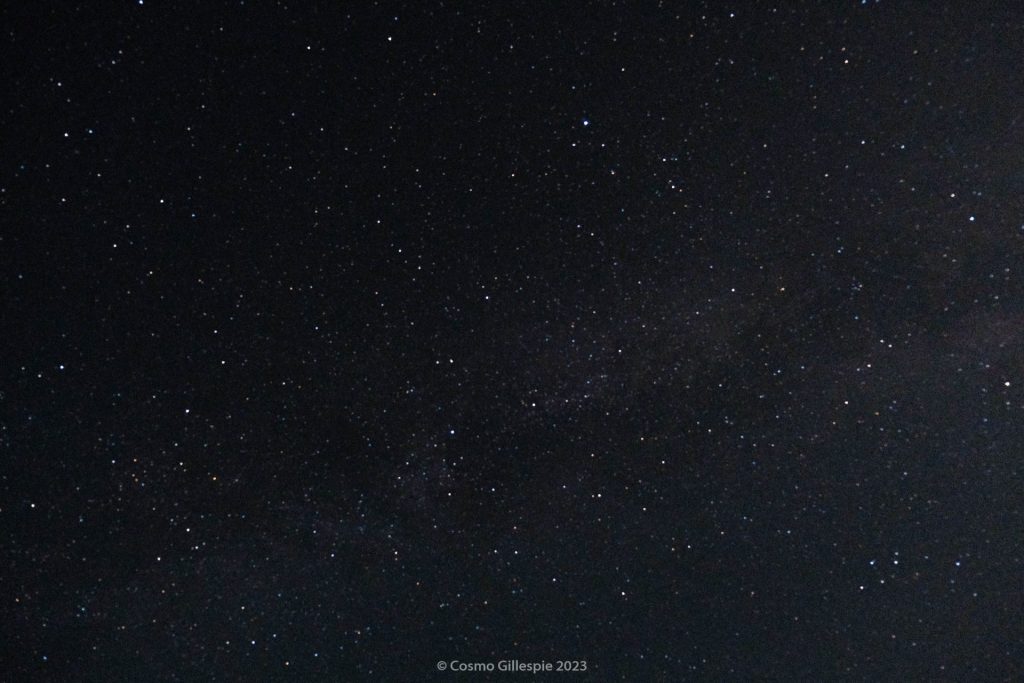

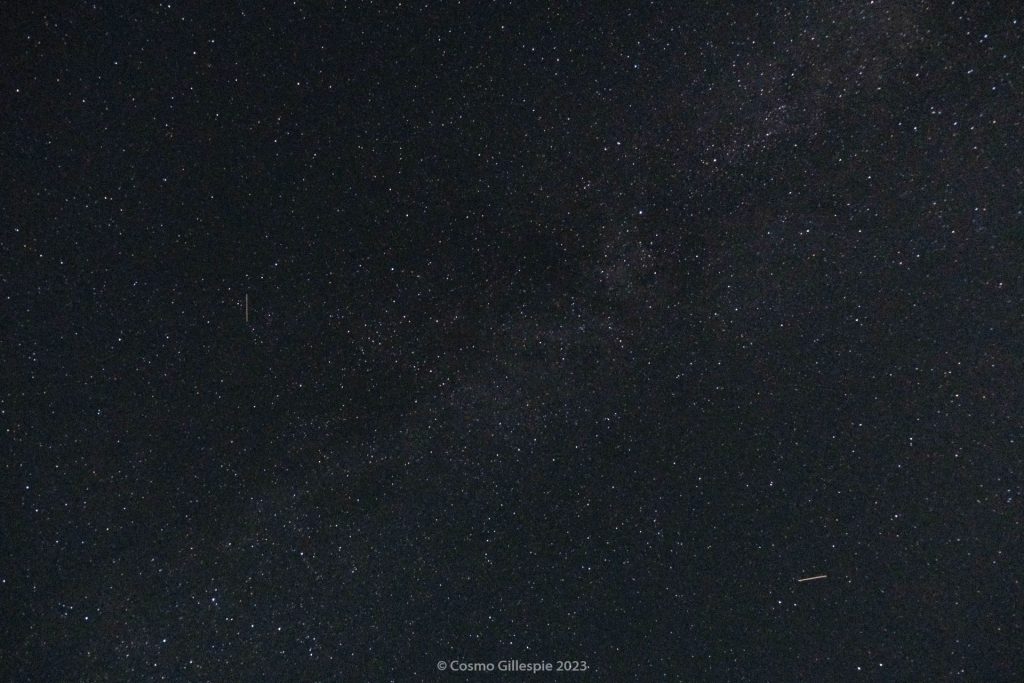
Above left: 5s, f/2.8, ISO 6400. Above middle: 5s, f/2.8, ISO 4000. Above right: 5s, f/2.8, ISO 6400. The small white lines in the latter two are satellite trails.
My visit came at the peak of the Perseids meteor shower, and I did see a couple of them, but sadly caught none on camera. However, a couple of additions were made to the Constellation Collection, including complete captures of Aquarius and Perseus. Overall, a wonderful and productive few days in the countryside, leaving me looking forward to a return next year.
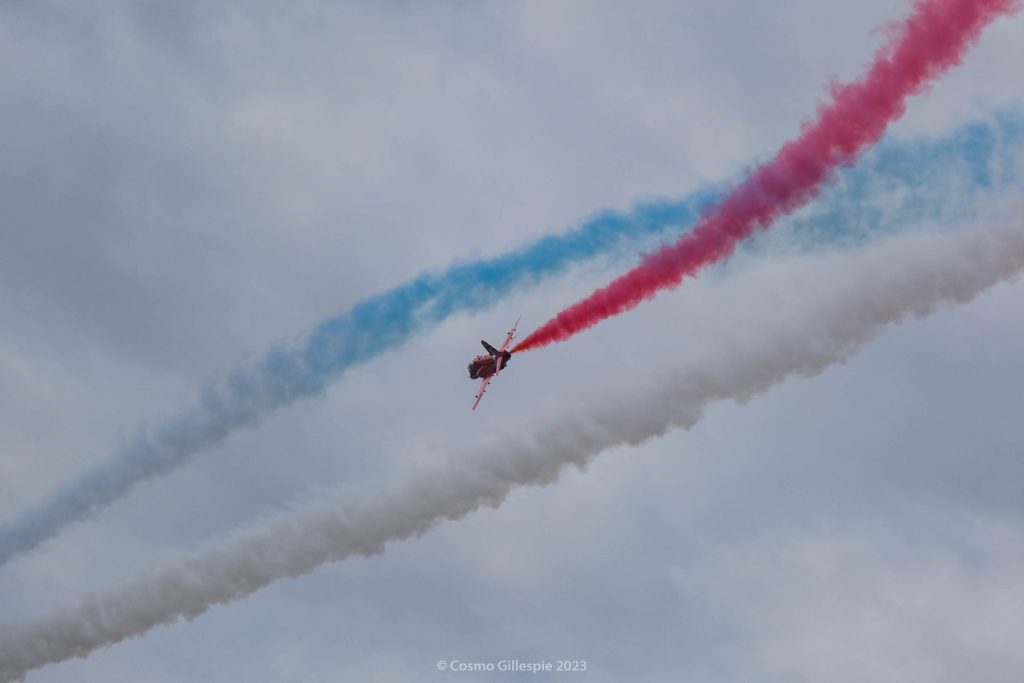
I spent a day at Wattisham Airfield towards the end of the month attending their Families Day, mainly for the air show element. I paid special attention to the Red Arrows display at this event, something I hadn’t previously done very much as they appear at almost every event I attend, after I got talking with Corporal Phil Dye. He is currently working as Circus 10 with The Red Arrows, and as he was doing ground media for the display, he gave me a few tips and also heads-up of what was going to happen next in the display, and from where.
Pictures of the Red Arrows tend to look quite ‘samey’, in my opinion; they’re a well-covered display team, and unless you can get air-to-air shots like Corporal Dye, there’s only so much you can do. I don’t claim that the shots I’ve chosen for this article are anything show-stopping, but they’re certainly the best ones that I’ve taken of this team.


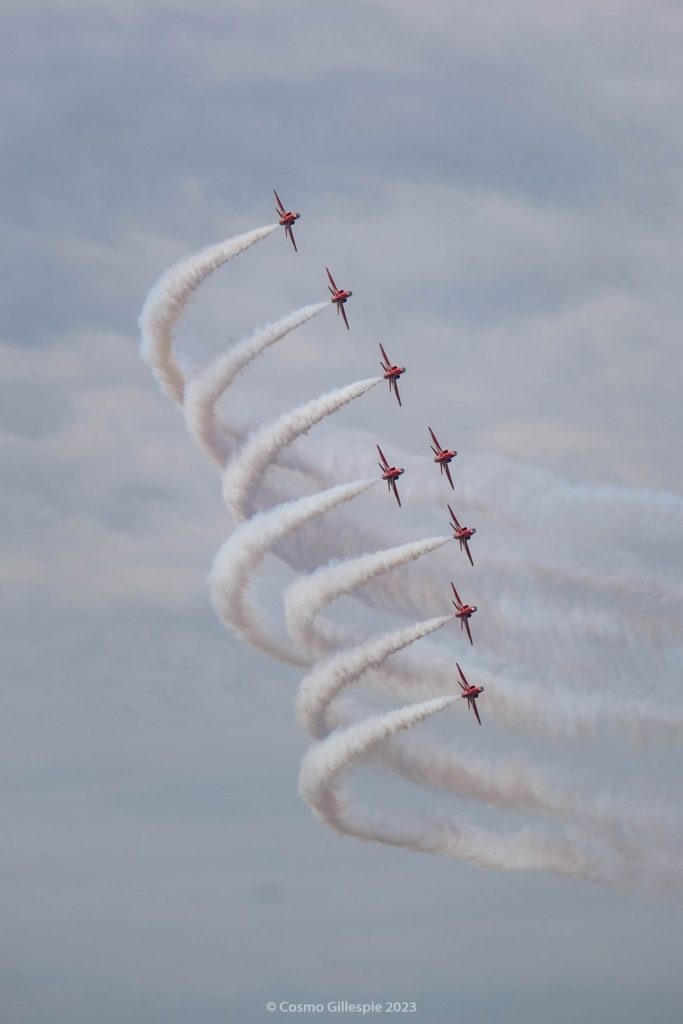

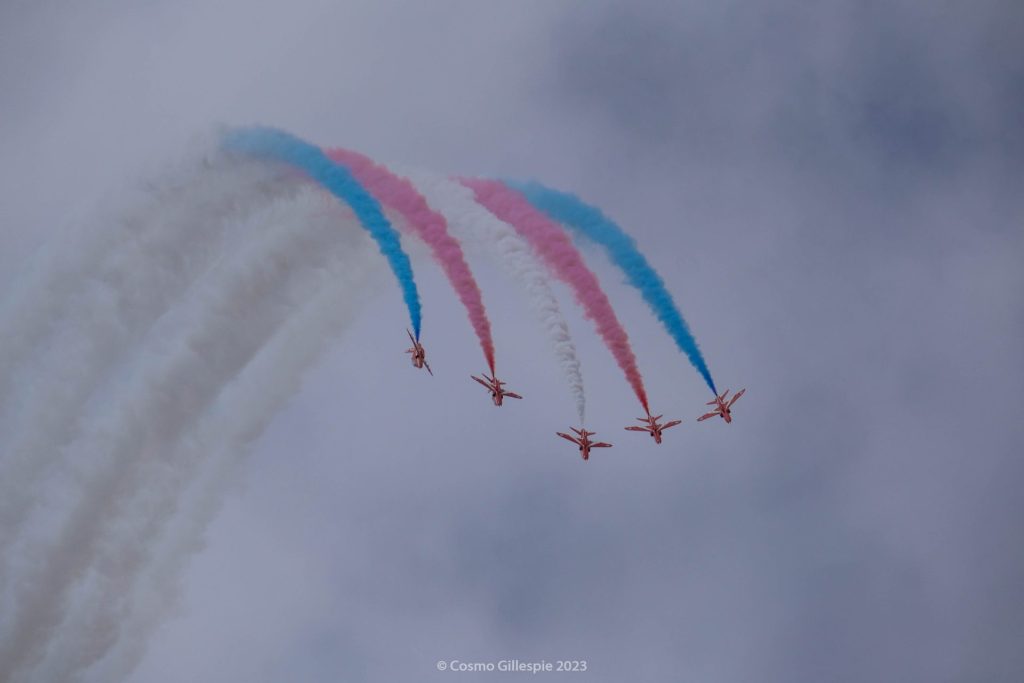

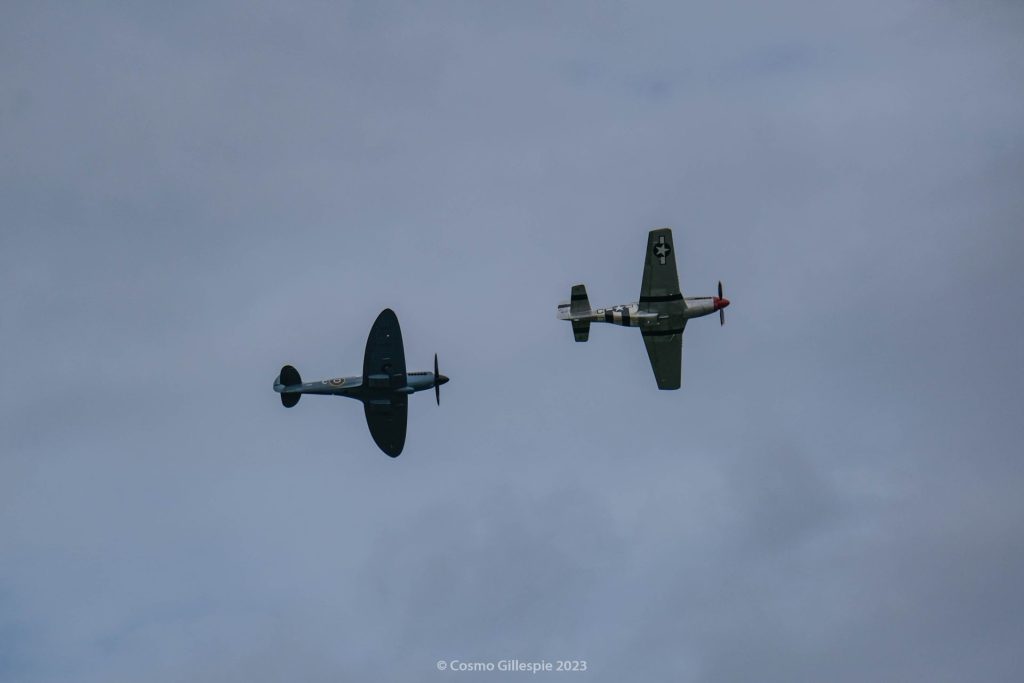
There were, of course, other displays, with a particular interest for me being the Rolls-Royce heritage pair of a Spitfire PR.XIX and a P-51D Mustang. I seem to have missed the Spitfire when it was on the ground, but the Mustang gave me ample opportunities to photograph it, on its own towards the end of the event (top left) and in conjunction with a very familiar Grob Tutor when both aircraft had just recently arrived (bottom right).



As shown above on the left, I also tried a perspective shot to include the aircraft and the extremely tall light poles which, unfortunately for photography purposes, dominated the waterfront area in front of the hangars where the Families Day was taking place. Instead of working against them, and having them in the back of every shot by accident rather than design, I decided to try working with them, but the main effect seems to have been reducing the visibility of the focus aircraft, and adding a lot of sky and some more unwanted background. About the only positives of this picture are that A) it was a learning curve, and B) I seem to have caught the Spitfire in the background. Result?
Apart from that, though, there were quite a few other aircraft present, such as an Apache helicopter of the type that the station normally operates sitting on static display (below left), and another Spitfire, this time displaying American markings (below right). There were also about ten or twelve Extra 300s, apparently a club rally, but they seem to have escaped my lens.


This was a day of surprises- I didn’t think that photographic direction from RAF Circus 10 would be on the cards! Though, it seemed when I arrived in the mid-morning that nothing would be on the cards, with the weather grey and murky, as shown in the joint picture of Tutor and Mustang. However, if soon burned off to a bright and sunny afternoon, and a good time followed.
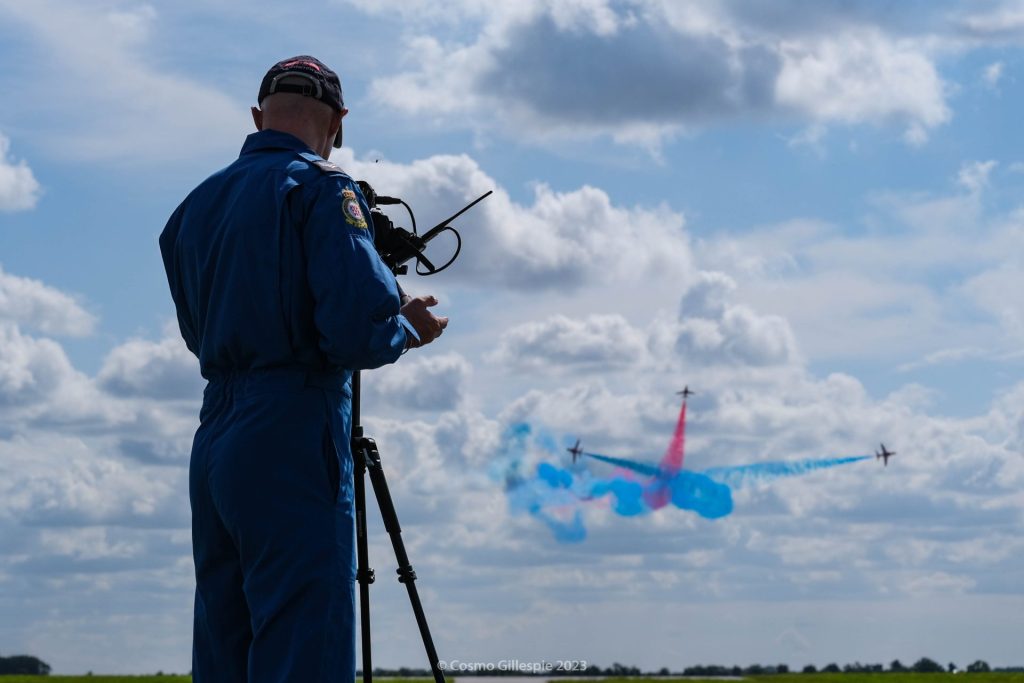
Families Day number two took place at RAF Marham, but this one started hot and only got hotter. Another appearance of the Red Arrows opened the air displays, and I met briefly with Corporal Dye again at the end. As I’ve said, this display sequence is something I’ve seen a lot of times before, and photographed pretty thoroughly earlier in the month, so my main takeaway shots this time were focused around photographing the photographer- Corporal Dye had mentioned to me at Wattisham that he hardly ever has other people taking pictures of him, so I made the effort. I found my desired compositions quite hard to achieve, and even a little frustrating, as working out the conjunctions of aeroplanes and my subject on the ground wasn’t the easiest task, particularly with the crowds, but the results were well-received!

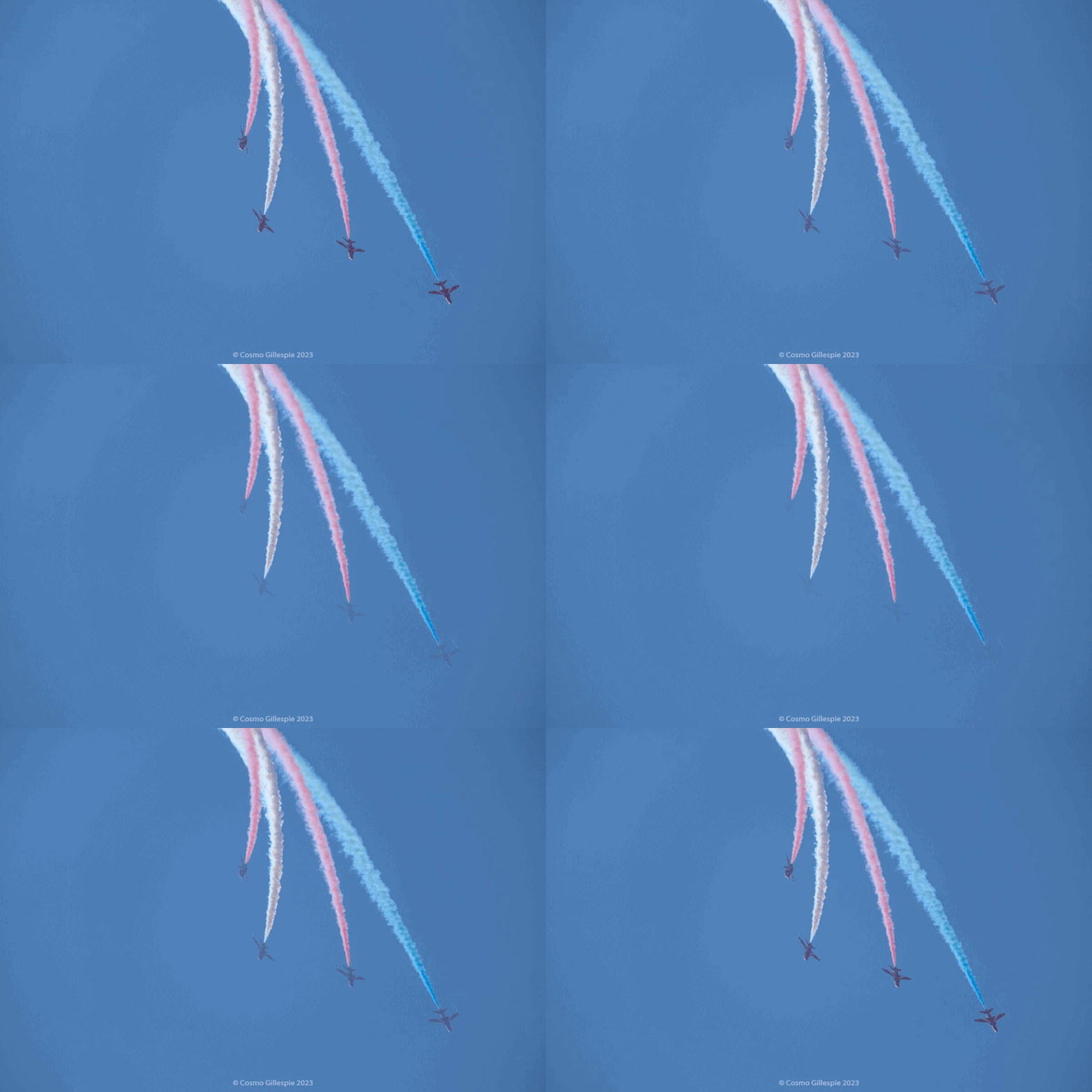
I also used one of the display photos to practice my spot editing, with an idea I got whilst processing my RIAT photos in July, but which I didn’t have any suitable pictures for at the time. This display gave me the material that I needed- and then some rather hilarious results, as demonstrated in the GIF to the right. Anyone can take pictures of jets without smoke, but it’s harder to capture smoke without jets!

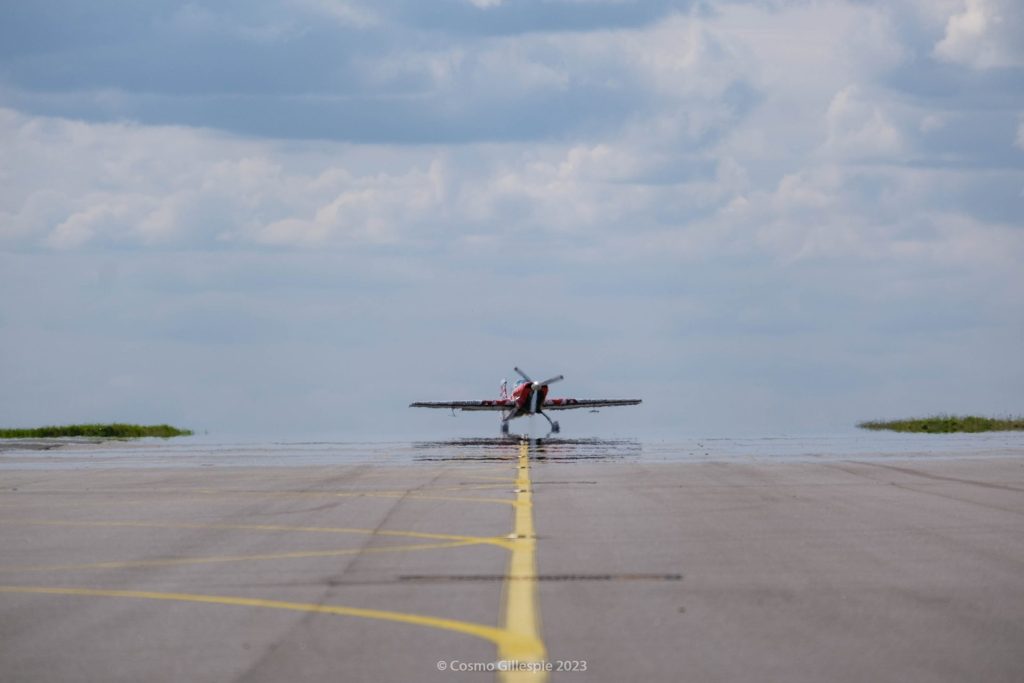
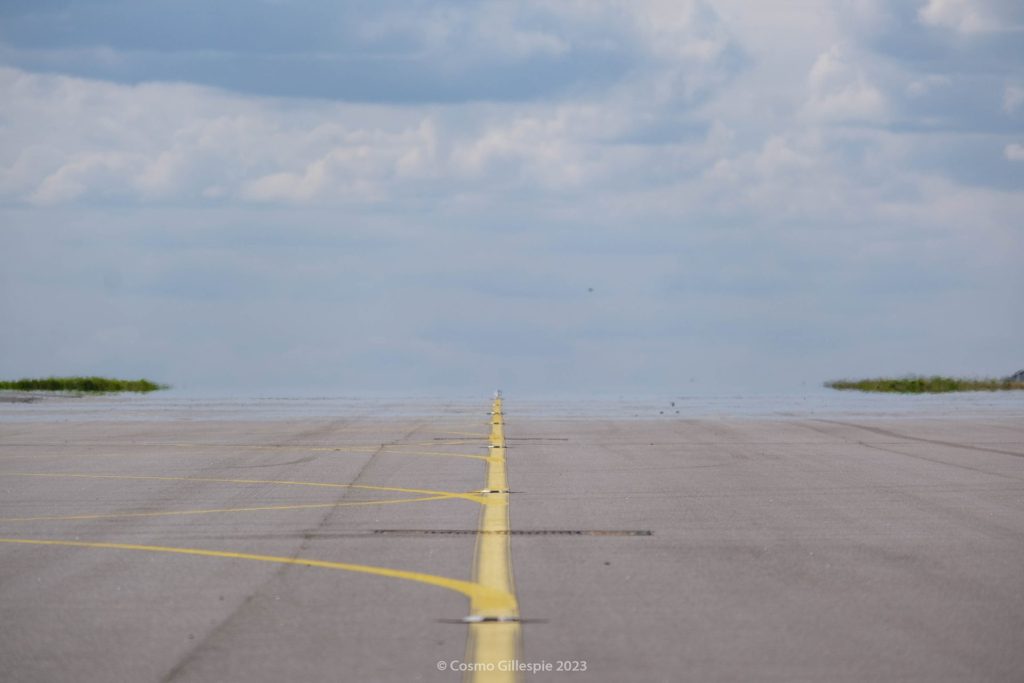
Heat haze was everywhere in the distance, as the event was set up on one of the taxiways. The effect was very fun to use, not only on the colourfully-clothed crowds who could be made to walk on water (left), but also on the aircraft as they came and went from their dispersals, such as an Extra 300 (below left) and a Strikemaster (below middle). The blank photo (below right) is to show that the ground seemed to disappear into the sky at a certain distance; something truly strange to see in the UK!

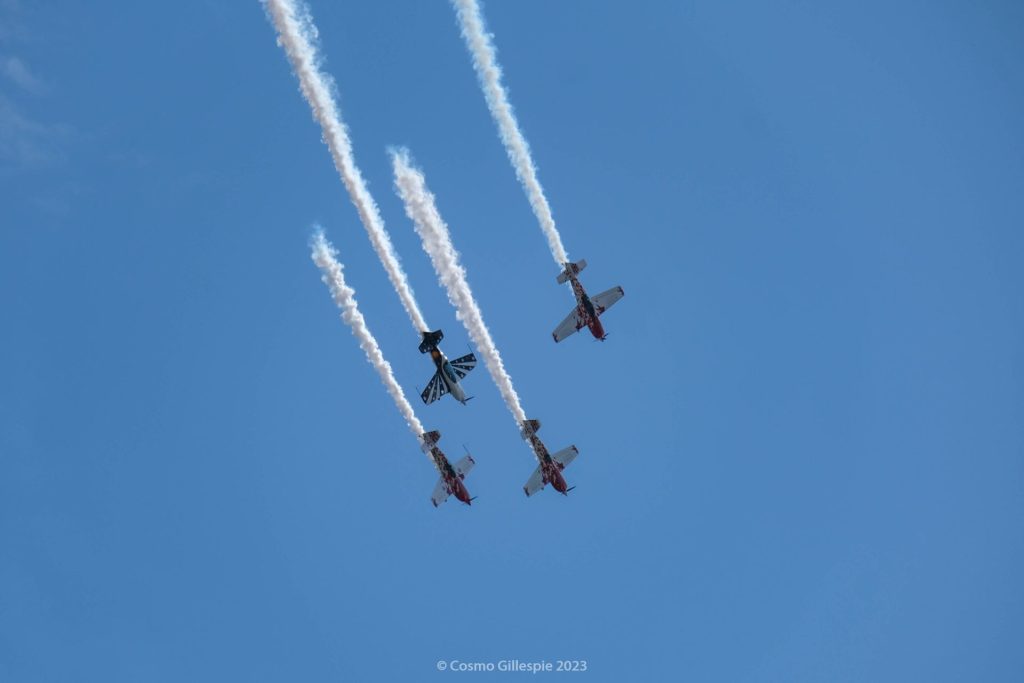
This families day also had appearances from a number of visitors, including the Typhoon display team (below top left), an Extra 300 display team which despite being one of my favourite displays, I am consistently unable to identify (below top right), a Norwegian Vampire, a desert-camo-liveried Spitfire, a Poseidon (below bottom left), and some A400 traffic, which was actually on normal rather than display operations (below bottom right).



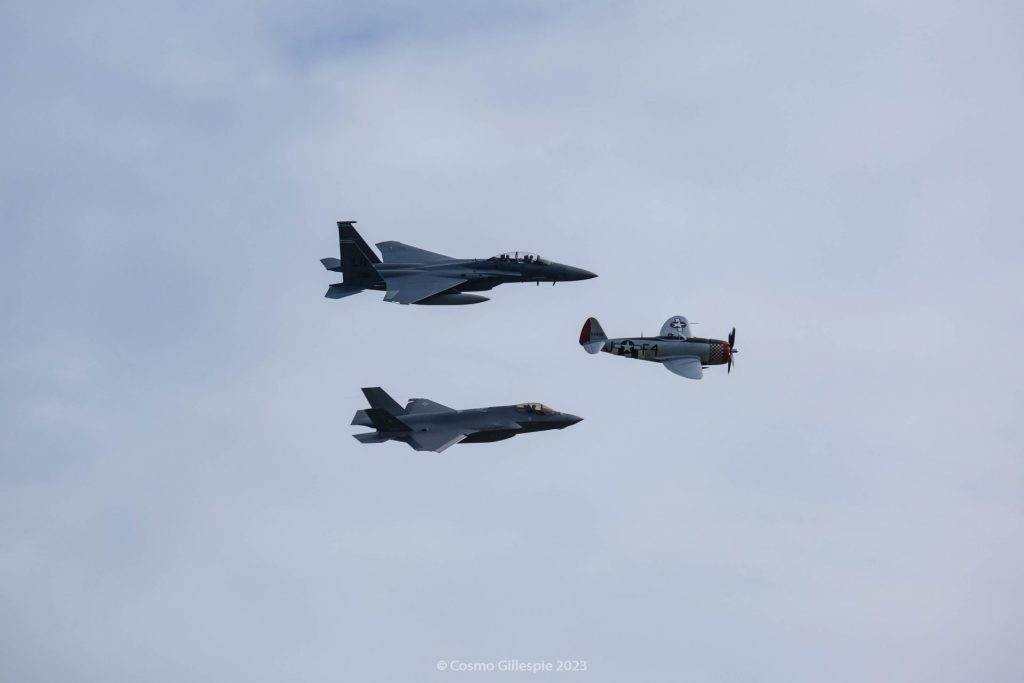
There was also an American heritage formation of an F-15 Eagle, an F-35, and Republic P-47 Thunderbolt ‘Nellie B’, with the appropriate registration of G-THUN.

I was only able to see the first pass of the last display because I had to leave at that point, but it was still very impressive. The whole day was a great time, despite the heat, and a brilliant way to end an eventful month.
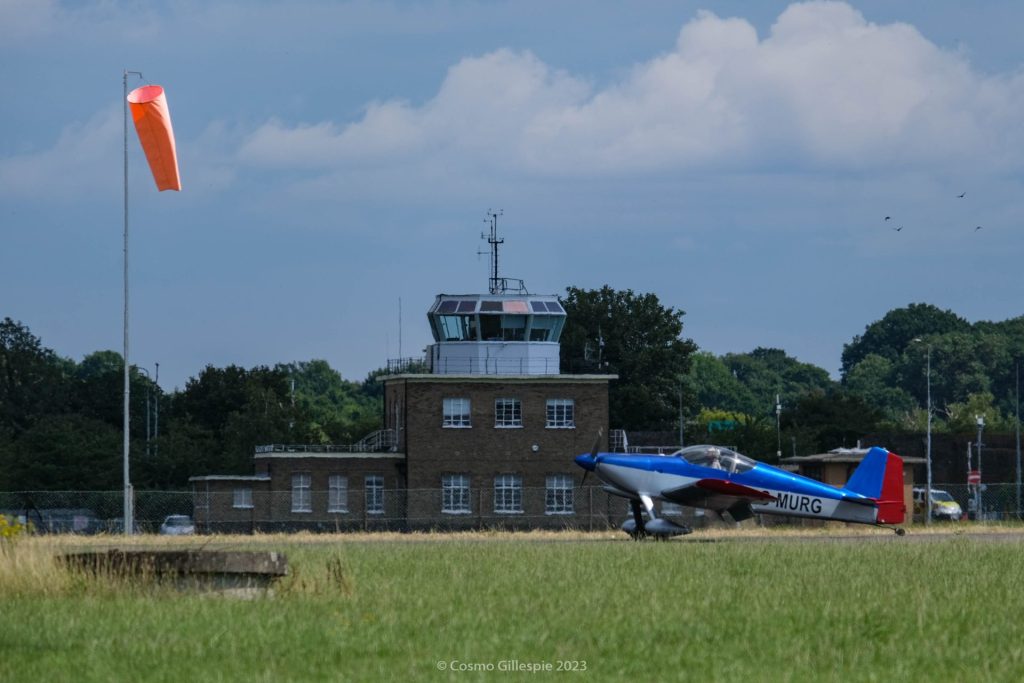

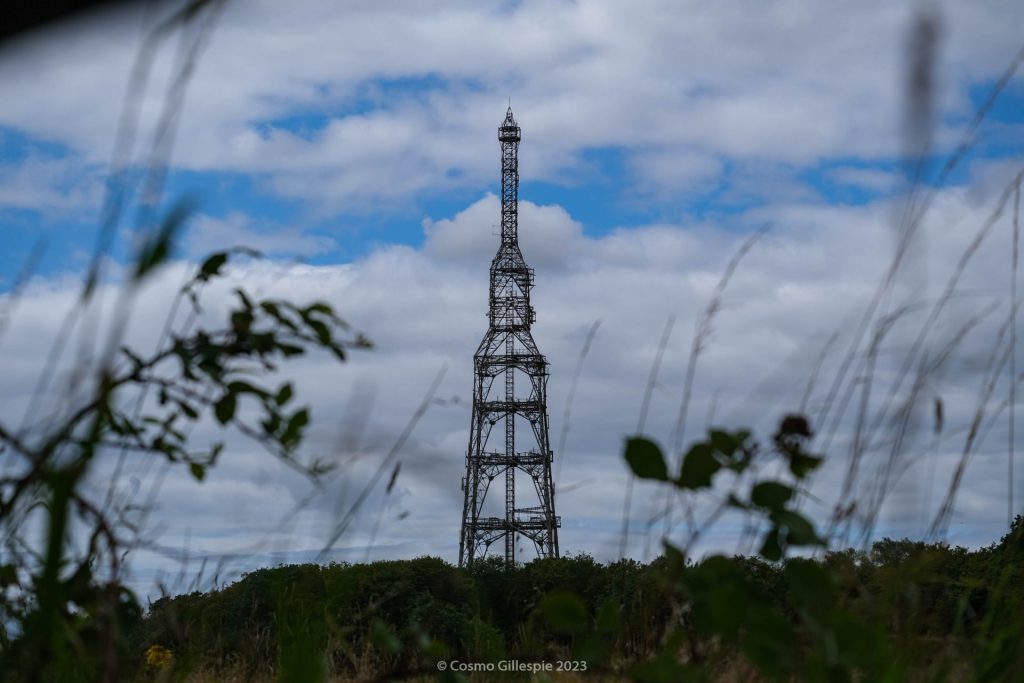
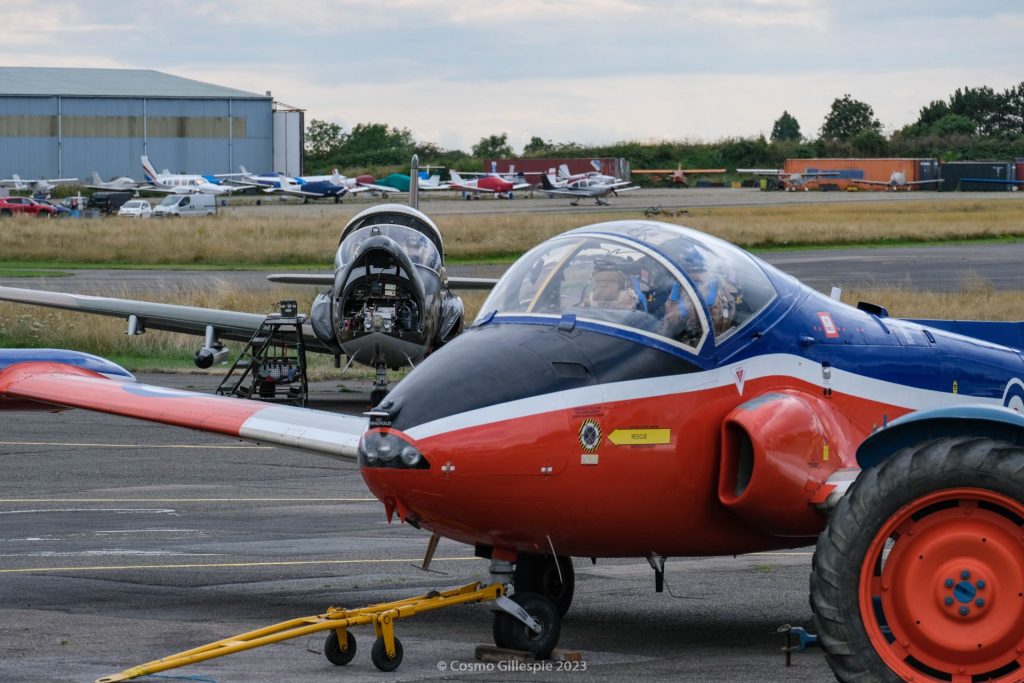
My roundup shots this month come from a variety of places. Top left: Vans RV-6 G-MURG and the control tower at North Weald. Top right: A peacock butterfly (aglais io) alighted on a young thistle. Left: a large wireless mast framed among tall grass. Below left: A Strikemaster (back, left) and Jet Provost pair at North Weald. Below right: A bee busily pollinating a large daisy.