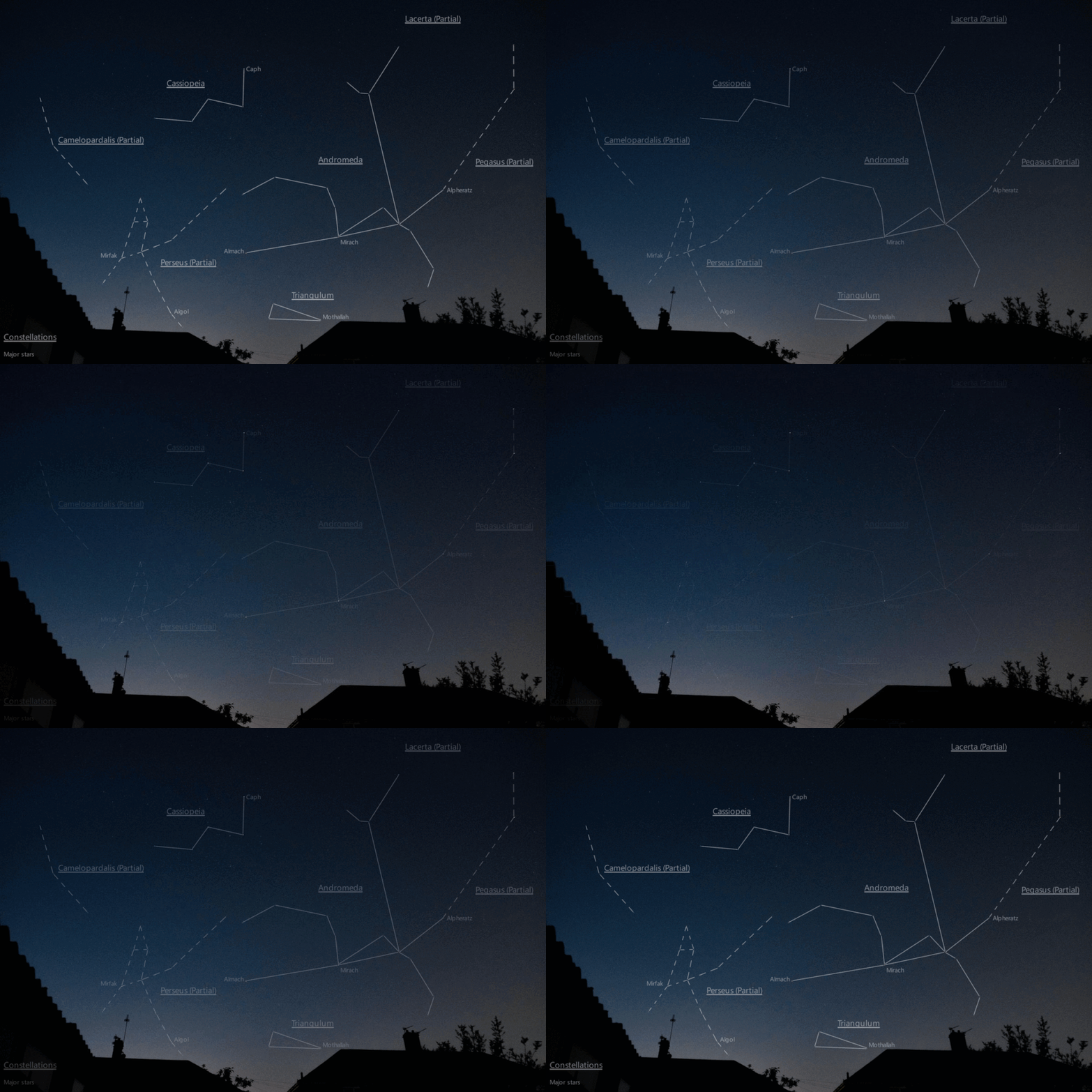
This month was when things started to really get busy, so I’ll just give a quick summary of the different projects I worked on. The first was some progress on the Constellation Collection which I started the previous month. I started to do markup on the pictures to show the constellations and major stars, then merged those images with the unannotated ones to create comparison GIFs.
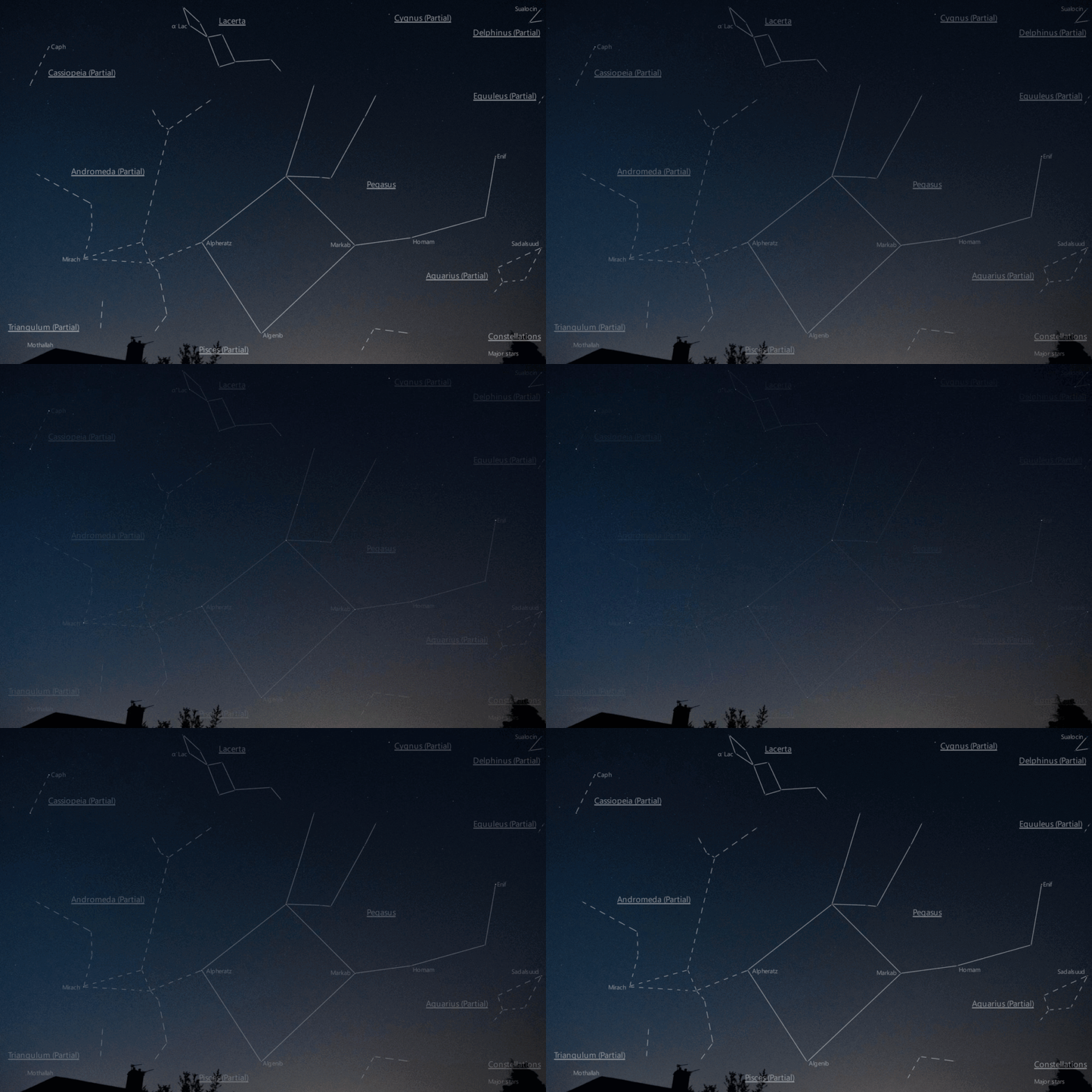
I was very pleased to get the entirety of Pegasus in this one shot, as it was only fully above my horizon for a small window before dawn. To also get Lacerta was a bonus, though a common one; I must have about ten photos in which it appears in full. The labelled stars are the ones indicated on standard international charts, or otherwise the alpha star.
Andromeda is a notoriously dim constellation, especially when seen in the east this close to dawn. Though I tried, I couldn’t quite catch the Andromeda galaxy, but to get so much of Perseus was a happy accident. Camelopardalis is also very faint, and I haven’t yet caught it in full. Lacerta also makes another appearance, though this time only partially.
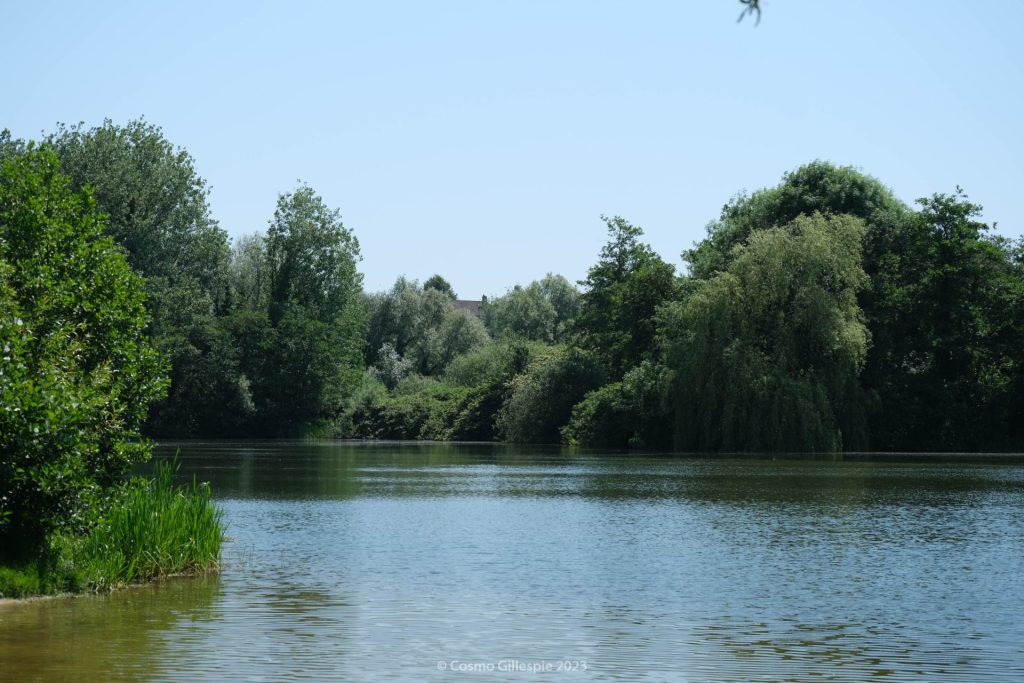
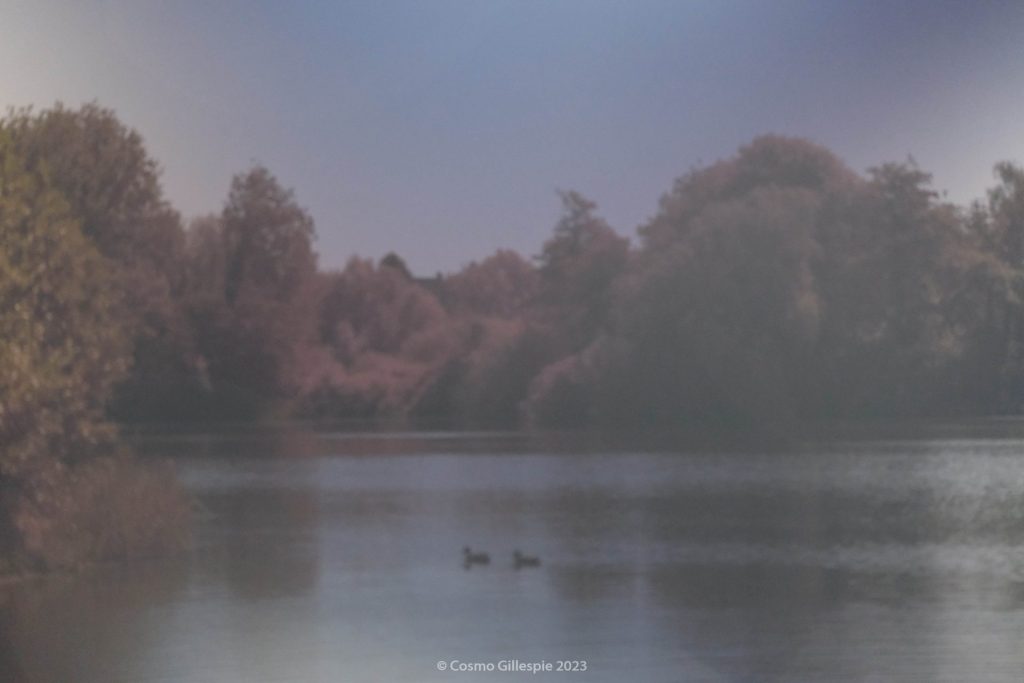
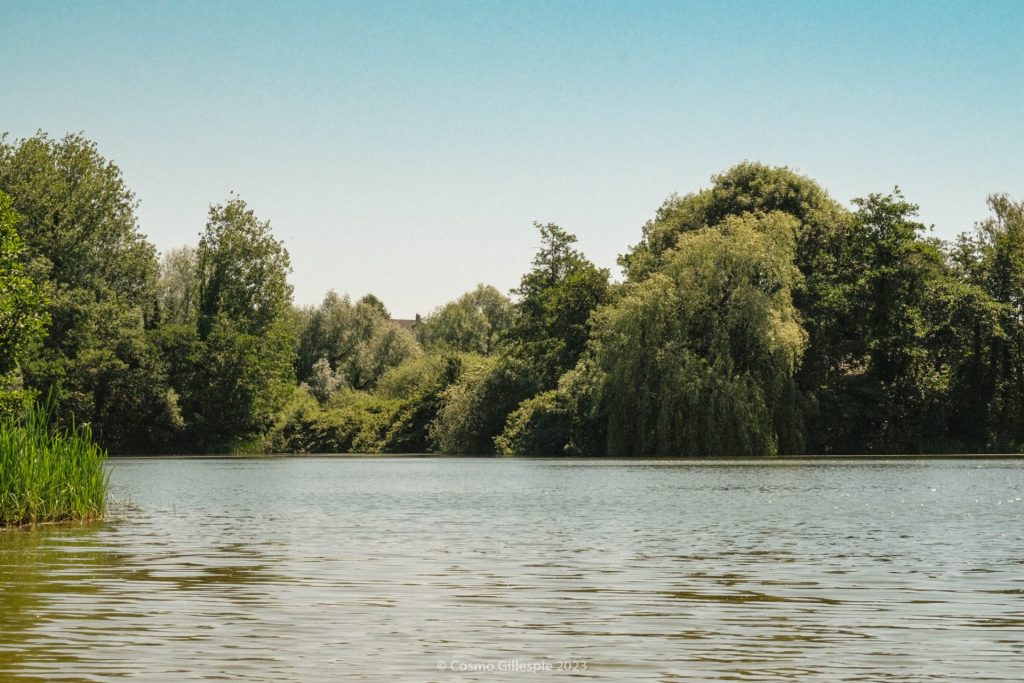
A walk around the University of East Anglia Broad was the venue for experimentation with my variable neutral density (VND) filter. My aim was to smooth out the surface of the water, and I was successful to an extent after some initial struggles with overexposure, but found that my low-budget kit came with side effects. The main one was discolouration, giving a nice warm film effect, not that I was going for that. Also, I found that I was able to turn my VND filter to a ‘balance point’ that made images red-toned, which was…interesting.
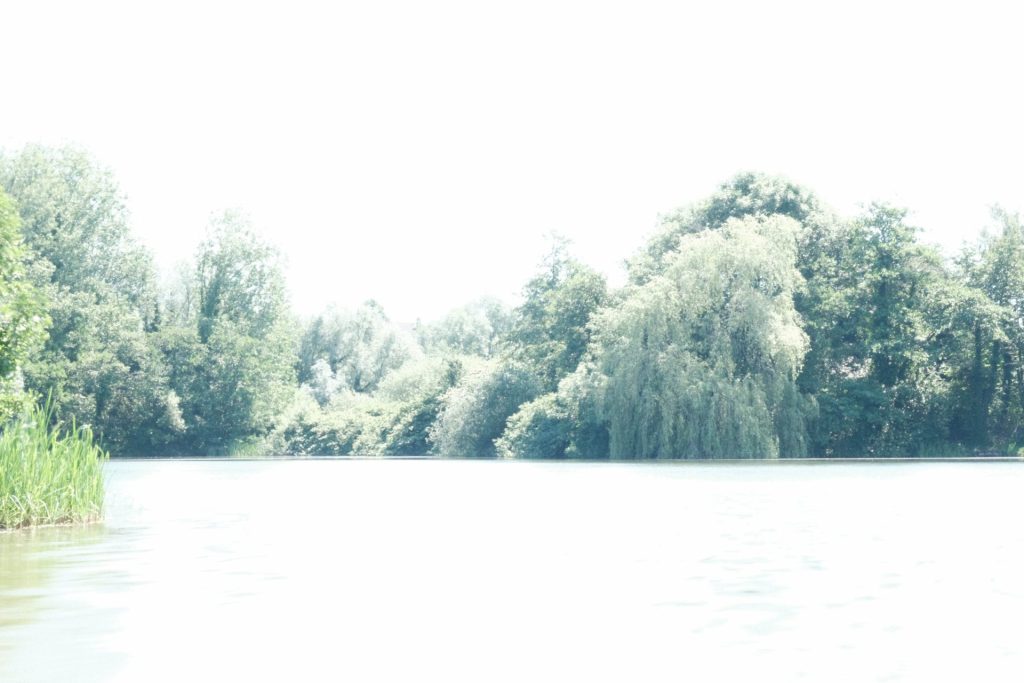
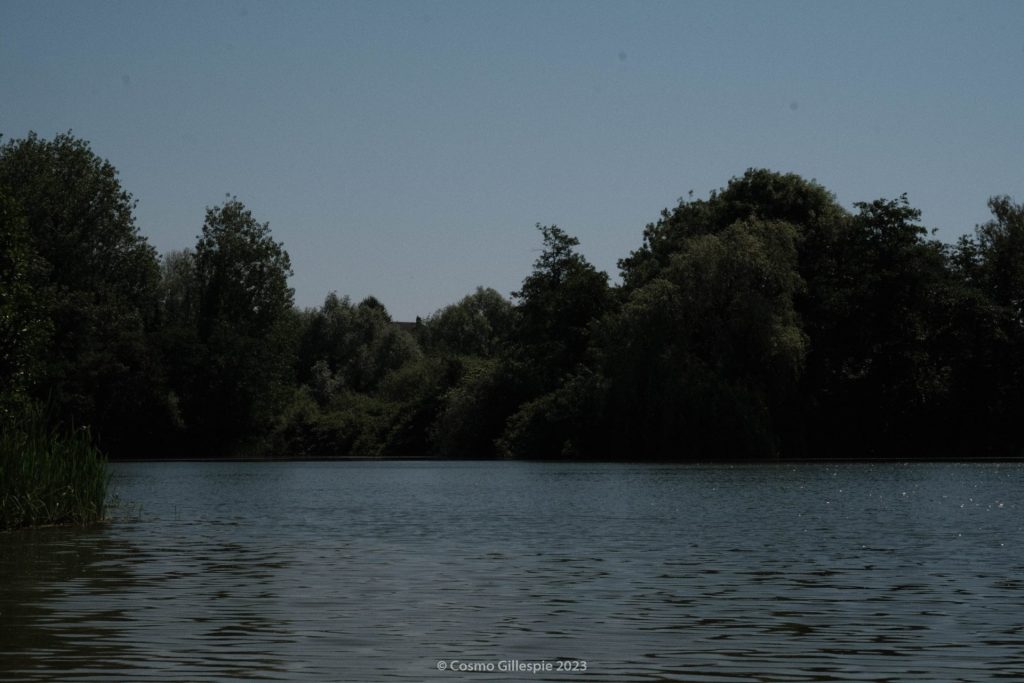
Above left: My control image, with no VND filter. 1/320s, f/5.6, ISO 320; unedited. Above middle: The second attempt with the VND filter, clearly overexposed, but actually less so than the first try. 2s, f/22, ISO 250; unedited. Above right: The result of overcorrection, particularly with shutter speed. 1/15s, f/22, ISO 250; unedited.
Below left: The unforeseen red effect, a result of my low budget. 1/18s, f/4.5, ISO 6400; unedited. Below middle: Pronounced discolouration with little water smoothing. I do particularly like the ombre of the sky, though. 1/30s, f/14, ISO 800. Below right: More smoothing, but with discolouration of a different sort. This image is one of my favourites from this project. 1/2s, f/9, ISO 3200.

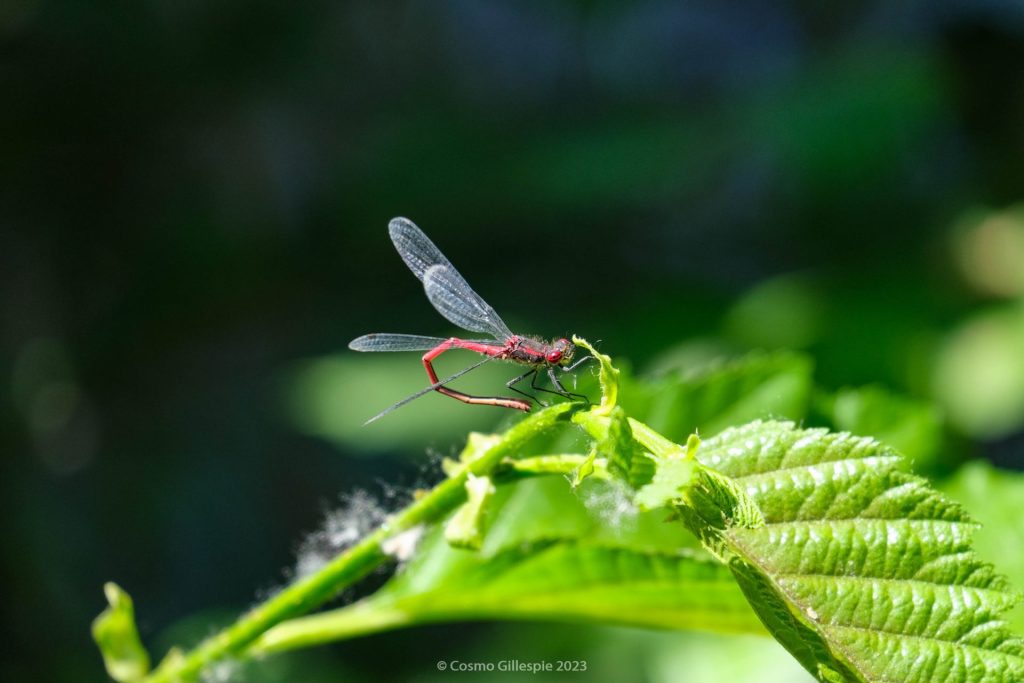
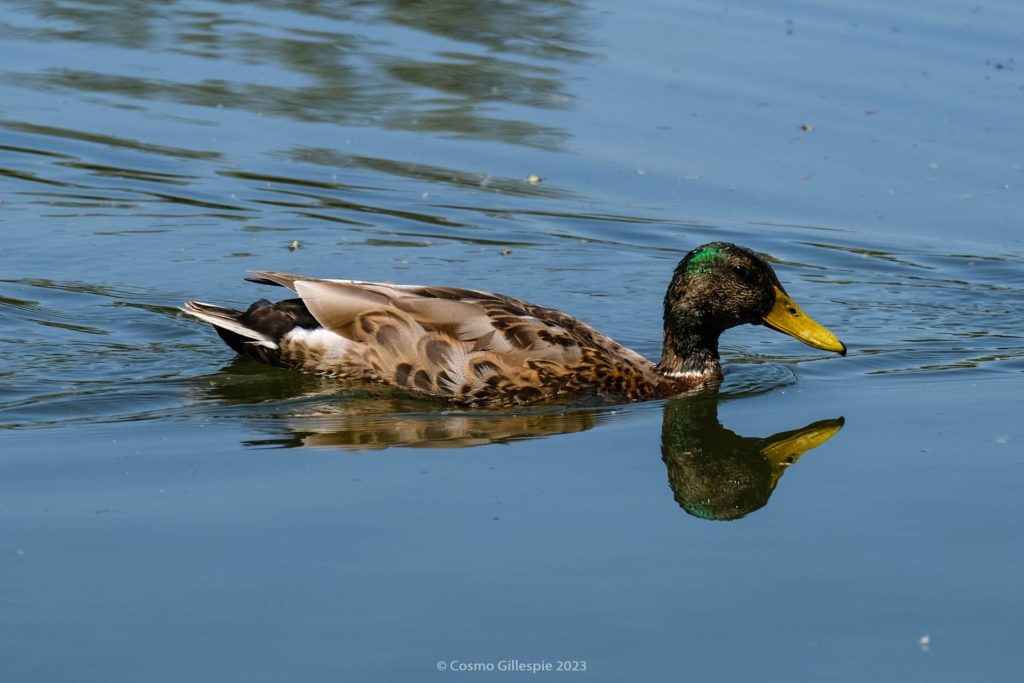
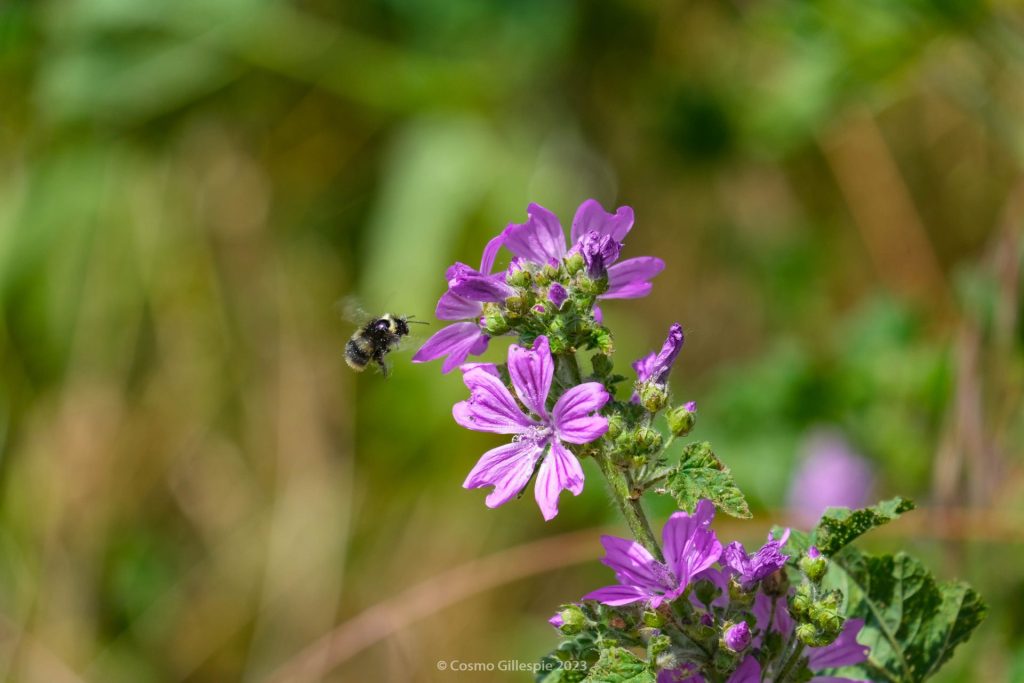
There was also a great deal of wildlife to be seen, particularly a large number of Large Red Damselflies which were attracted to the sun-soaked leaves on quieter parts of the bank. Using both my 18 – 55 mm and 50 – 230 mm lenses, I was able to get some very good closeups, and introduce myself to the world of macro photography. I also saw a few other the UK usuals such as mallards and bumblebees, the latter of which created an excellent action shot with some Common Mallow.
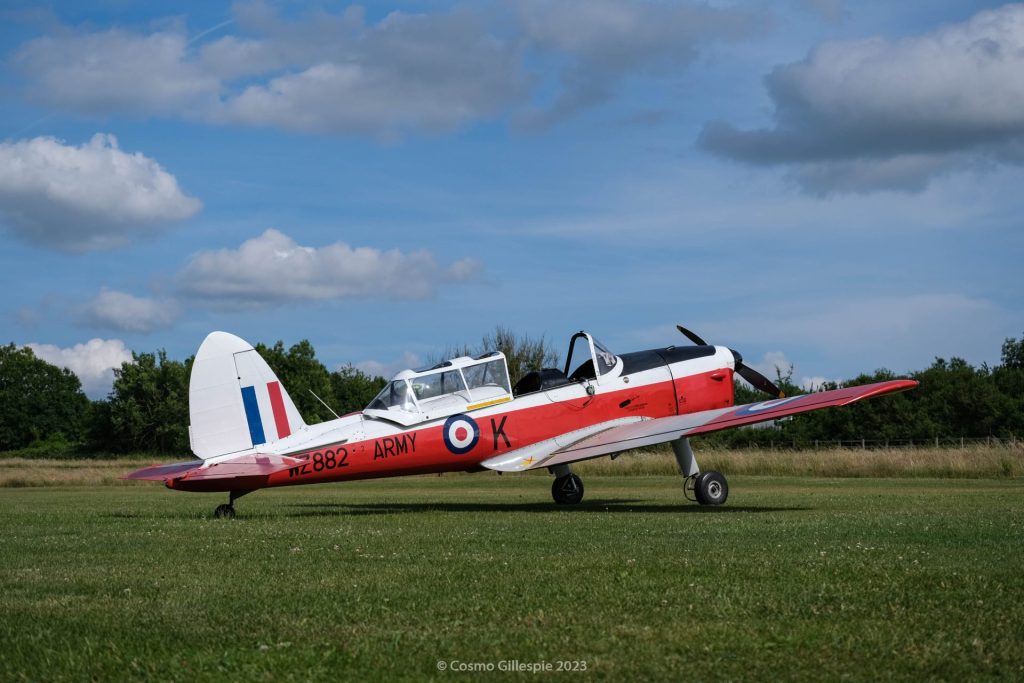
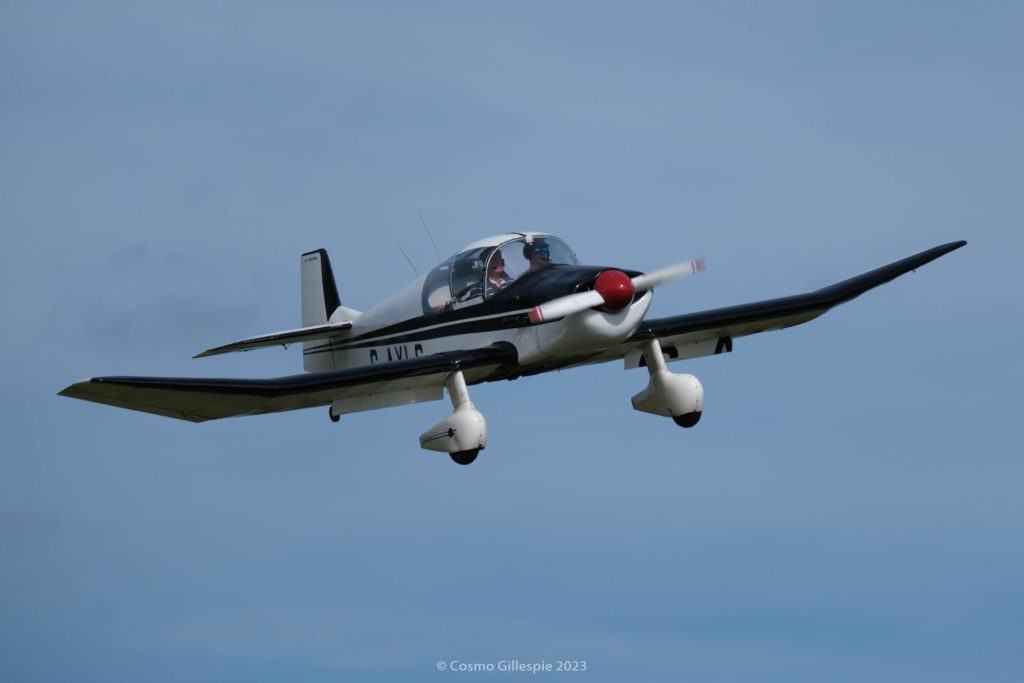
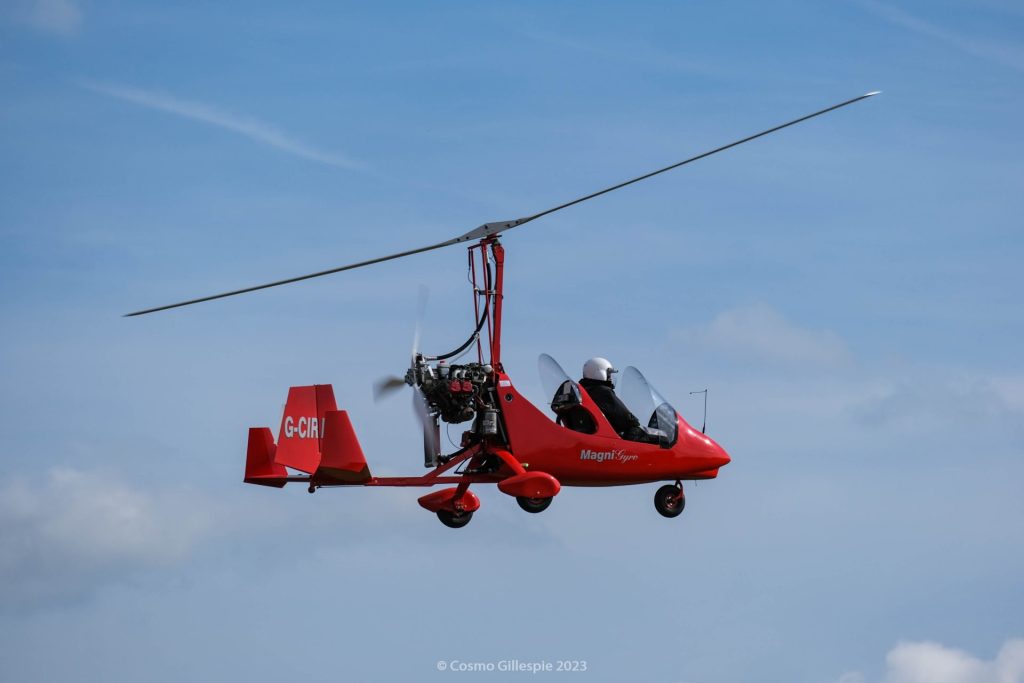
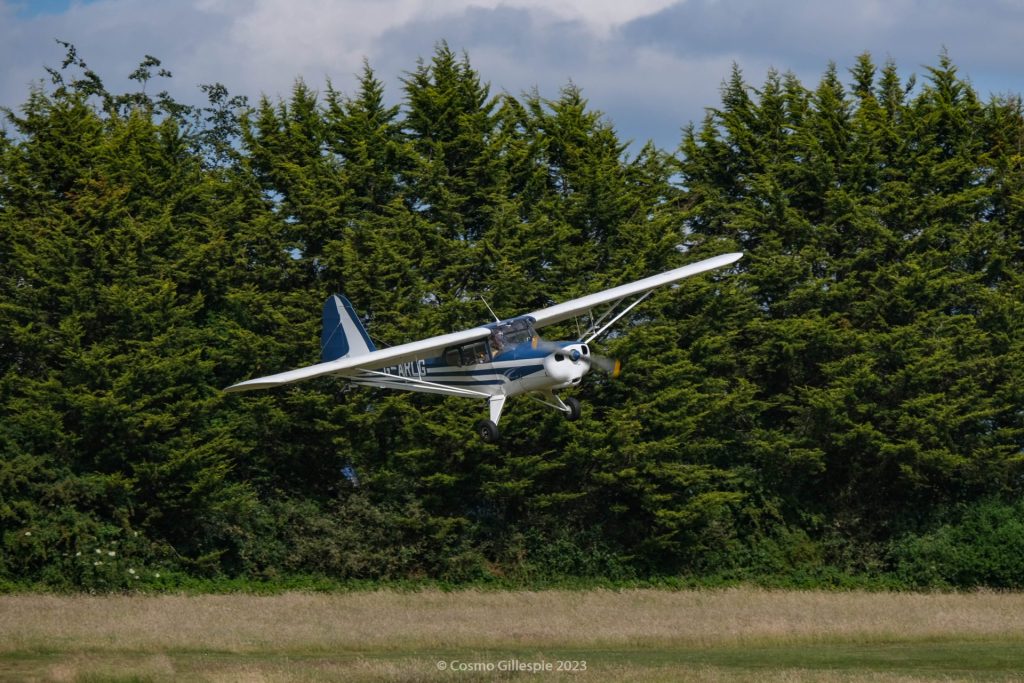
A sunny day in the second half of the month took me to Popham, a deceptively large grass airfield near Basingstoke. A number of aircraft were flying, including de Havilland Chipmunk WZ882 (top left and bottom right), North American Navion 60344 (top right), Jodel Ambassadeur G-AXLS (middle left), Magni M-16 Tandem Trainer autogyro G-CIRH (middle right), and Piper Cub G-ARLG (bottom left). The flying club had a quiet, relaxed atmosphere, and it was an excellent outing for practicing my aviation photography. I was even lucky enough to get to taxi in the Chipmunk as it was being returned to the hangar at the end of the day!


A visit to the Southwark area of London gave me more opportunities to practice with my VND filter, this time with Tower Bridge as a subject. I started on London Bridge, looking east to frame HMS Belfast between the two towers, and as before had some initial issues with massive overexposure. I soon realised whilst trying to remedy the problem that my main enemy was the midday sun, and it would be better to come back later when the light levels were naturally lower.
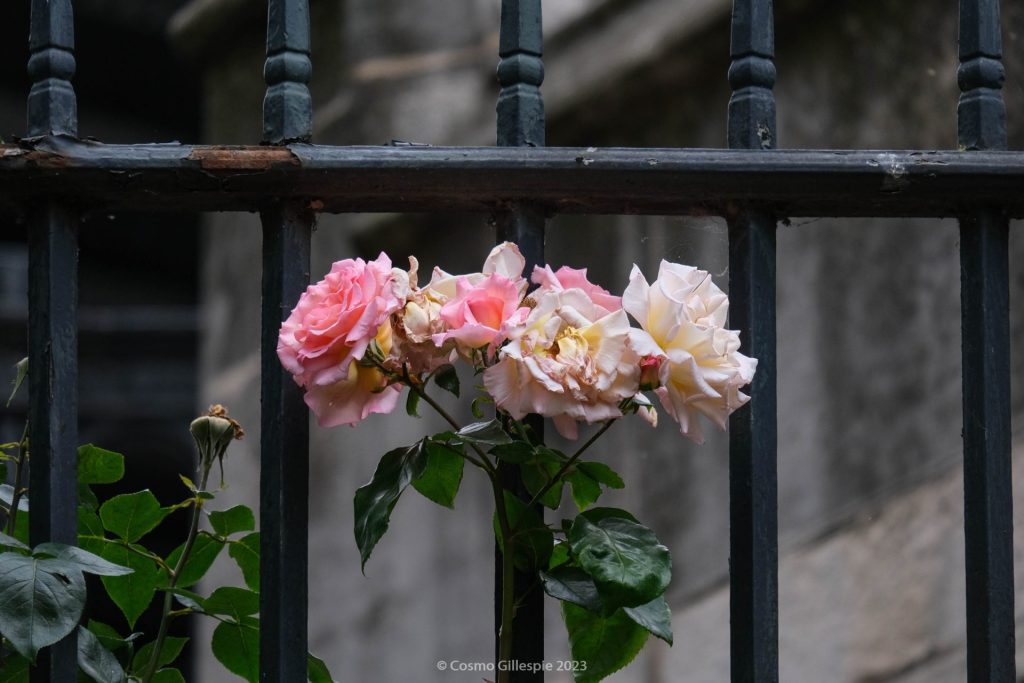
I spent a while walking down the south bank of the Thames casing out spots to try after the bridge, then paid a visit to Southward Cathedral. Apart from the classical interior, boasting high vaulted ceilings and large stained glass windows, there was also a thriving flower garden with many different species represented.



When the light was right, I returned to my pre-chosen places and had another go at capturing Tower Bridge. From London Bridge, I hoped to get several landmarks in my shot, as well as some blurred boats on the water: Tower Bridge, HMS Belfast, the Tower of London, and Canary Wharf. Whilst I certainly had some success, the colours are definitely desaturated compared to real life, and the boat effect was not entirely what I had had in mind.

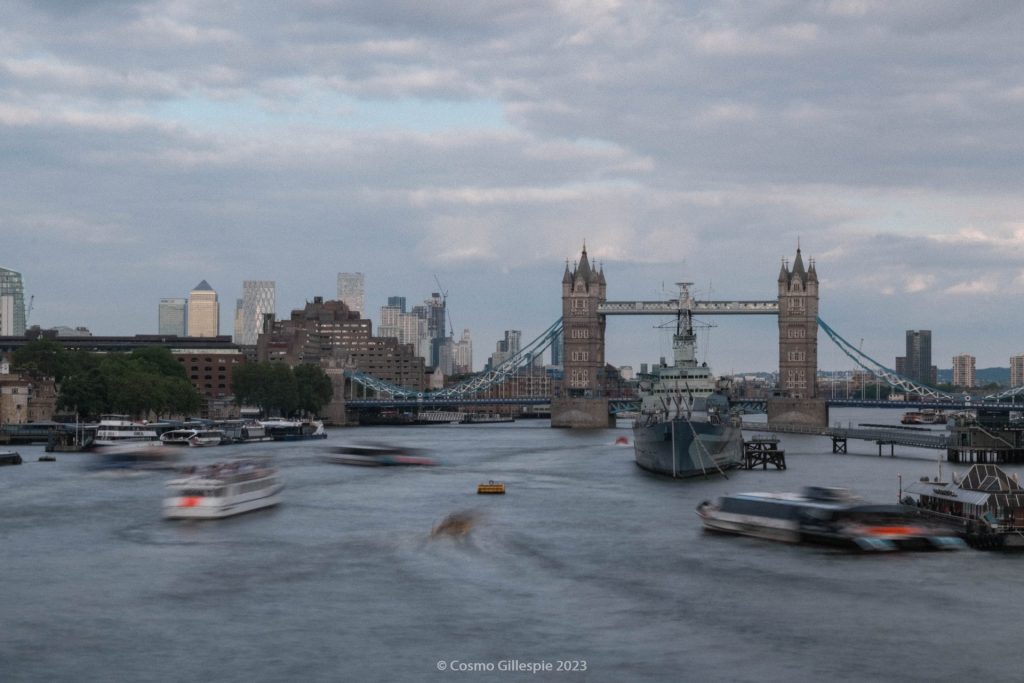
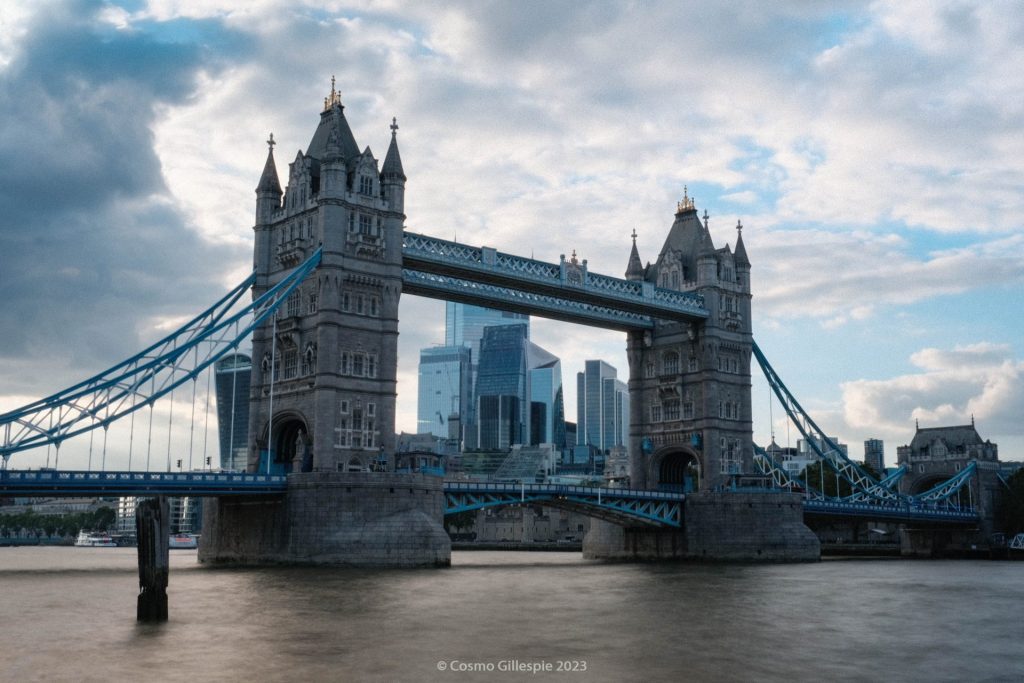
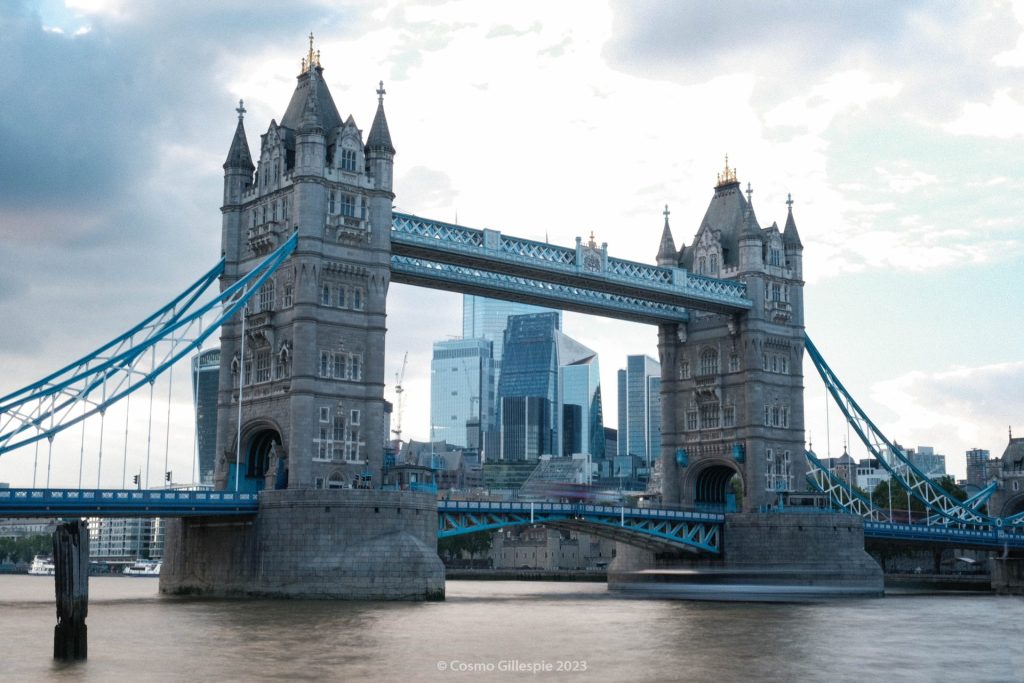
Both images were taken using 5s, f/22, ISO 400. They are the two that I was happiest with for this concept, but they still lack the exact quality that I was aiming for, which was an effect like the blurred boat in the bottom middle of the left image. However, I had more luck with realising my idea to get Tower Bridge alone with a smooth river, from both sides of the bridge. Looking at it from the east enabled me to frame the buildings of the City of London between the towers, giving more interest than looking from the west, though I am still happy with both pictures.
Below left: Tower Bridge viewed from the west, with a red double-decker bus crossing in the centre. 5s, f/22, ISO 400. Below middle: Tower Bridge viewed from the east. The early sunset sky adds another point of interest. 5s, f/22, ISO 400. Below right: one of my only regrets is overexposing the sky in this image, as it has not only a bus on the bridge but a boat on the river. 5s, f/18, ISO 400.

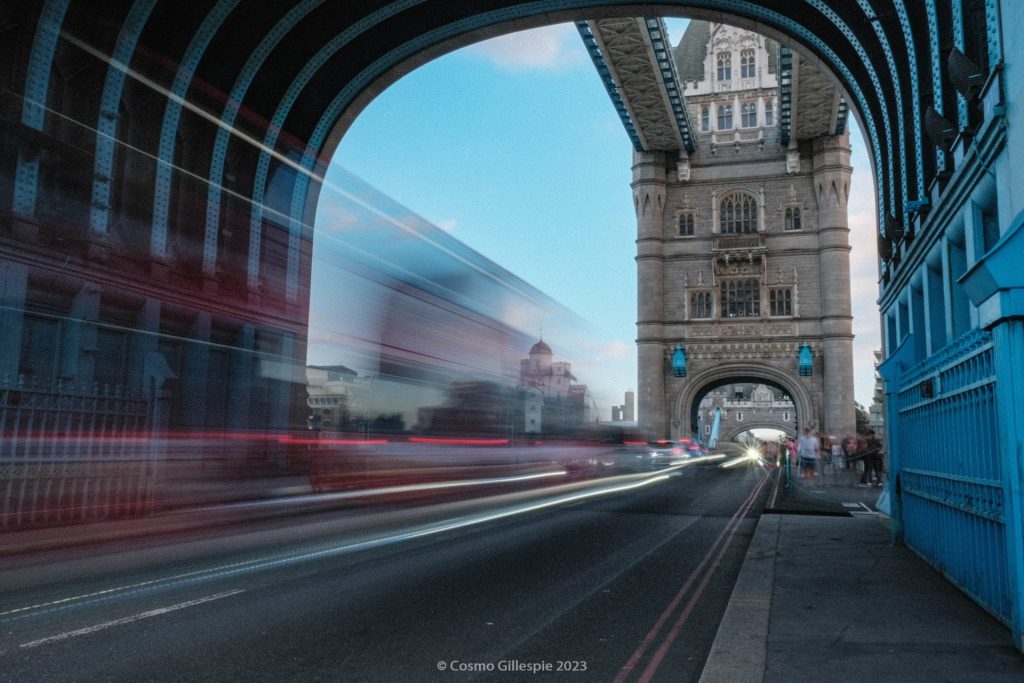
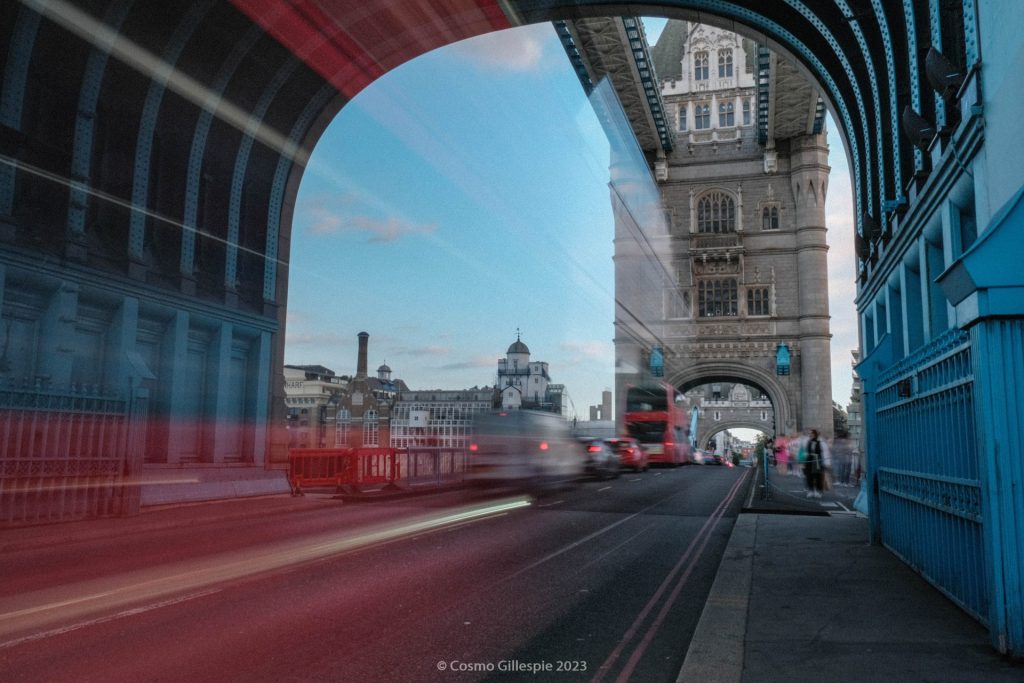
I also decided to cross the bridge itself, more as a tourist than anything else, until I noticed that the road was the perfect opportunity to catch some light-trails in long exposure, and I was once again on the job. I stabilised my camera by balancing my travel tripod over the railing them holding it very still. Now, I just had to wait for some red buses to come along and my pictures became complete. My personal favourite is the right-hand image below, apart from the fact that some temporary fencing is viewable through the blue of the closer bus. Below left and middle: 3s, f/22, ISO 500. Below right: 3s, f/20, ISO 500.


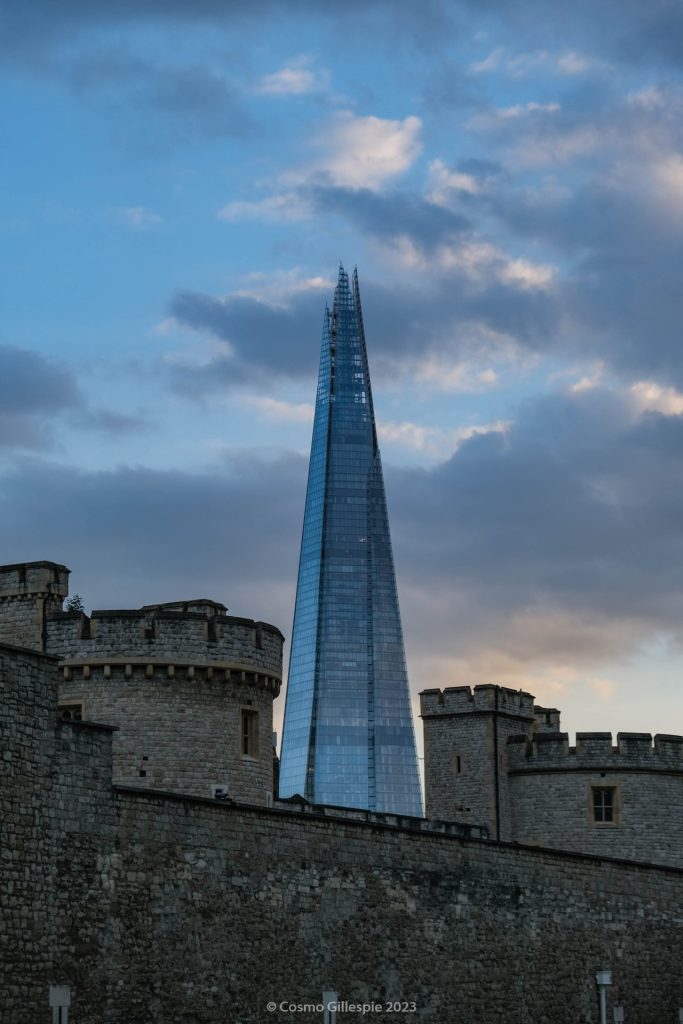
Finally, I caught some views of modern buildings together with the Tower of London near Tower Hill underground station, making nice contrasts between new and old architecture. Altogether, an excellent and instructive day, with lots of nice images in the results and some definite improvements made to my long exposure technique.
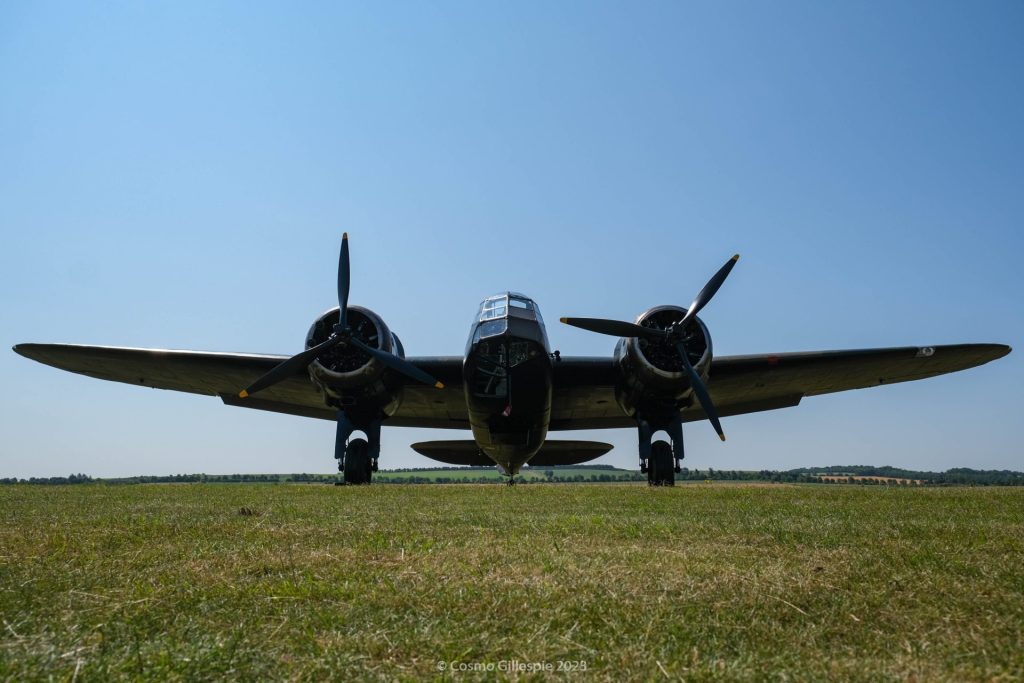
My final project of the month was another visit to Duxford, this time for their Summer Air Show. Although I spend the whole day there, and must have taken more than six hundred photos in all, an unknown error spotted too late for any recovery attempts has meant that only the first 132 photos survived. I’ve got all of my ground shots, and the first few air displays, but then nothing. It’s particularly annoying to have lost my photos of the Bristol Blenheim display, the first time I had seen the aircraft in action and a wonderful performance.
My aim for taking ground shots was to get the whole aircraft in one frame, rather than only taking shots of close-ups or details. Of course, there are a few where I went for absolute symmetry, but on the whole I found more interesting angles.
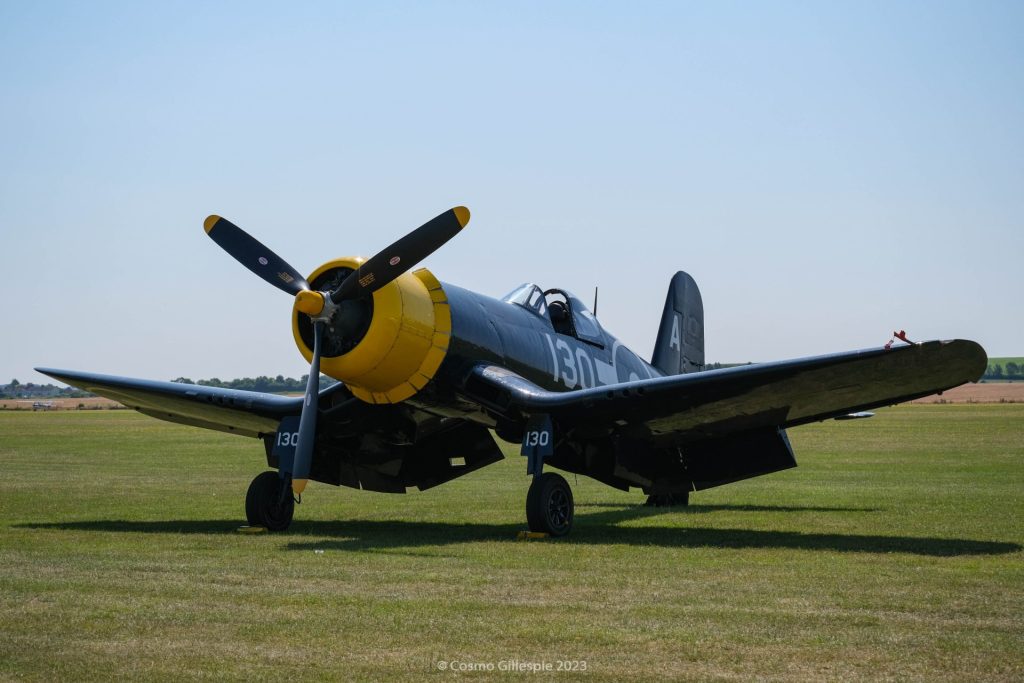
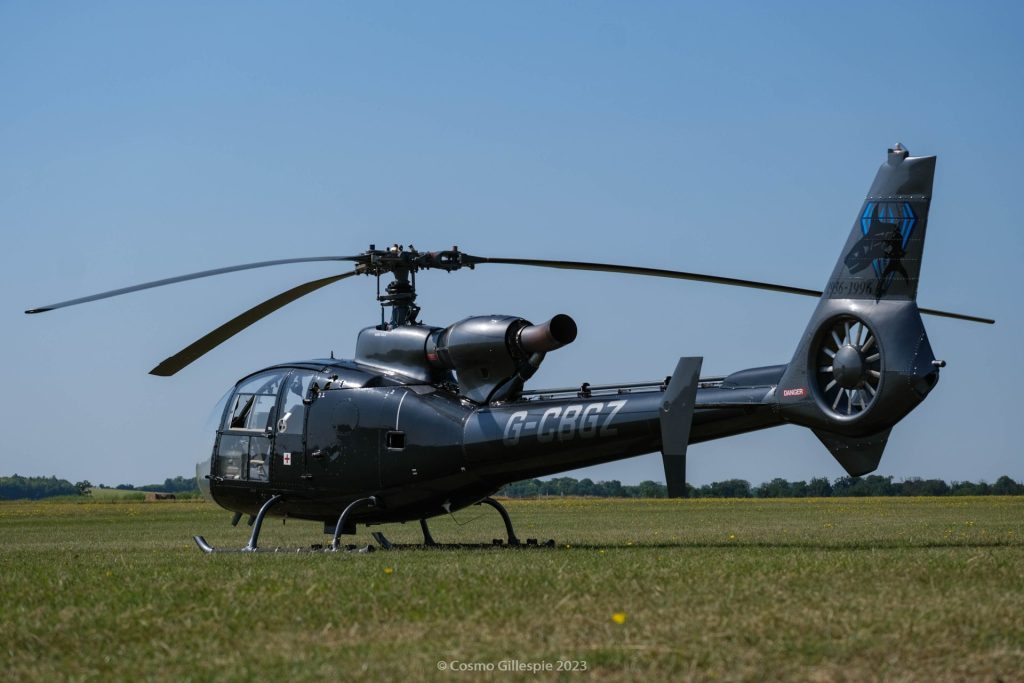
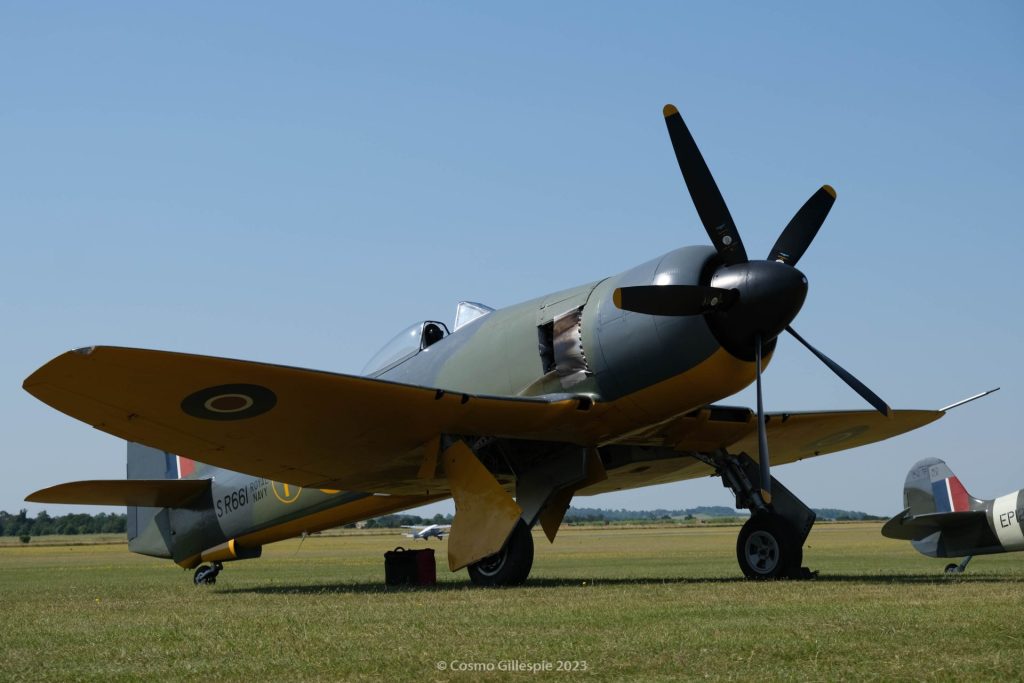
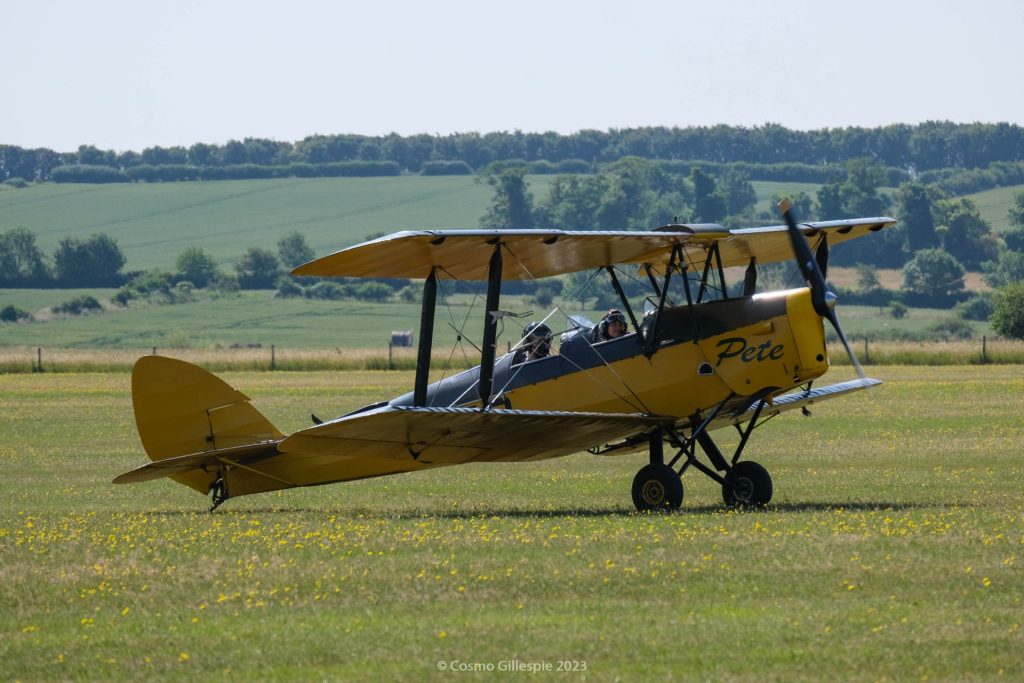
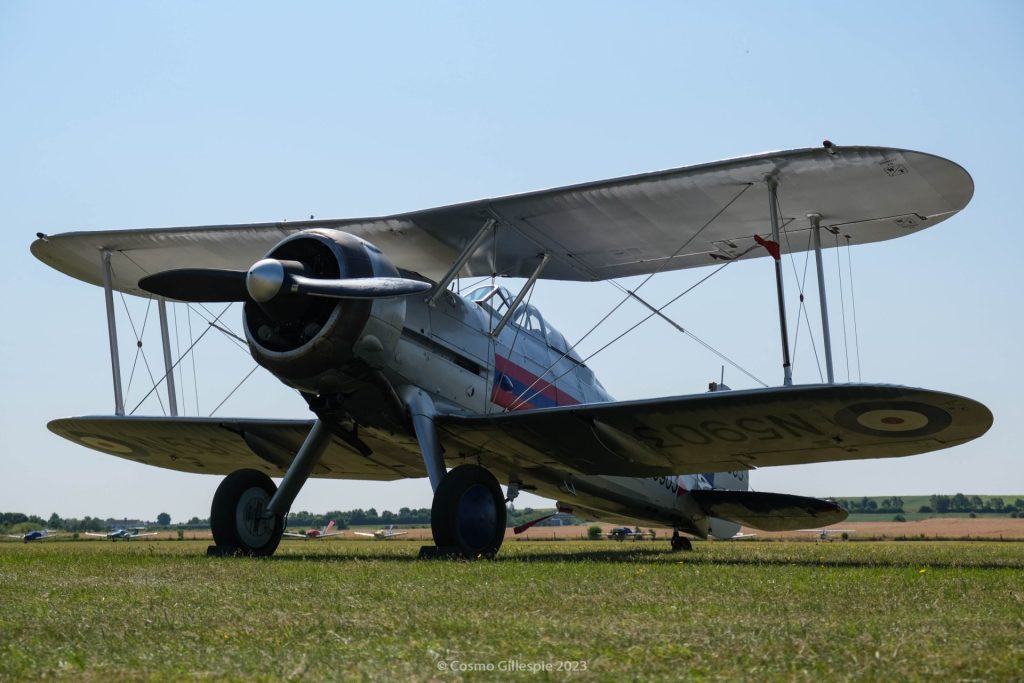
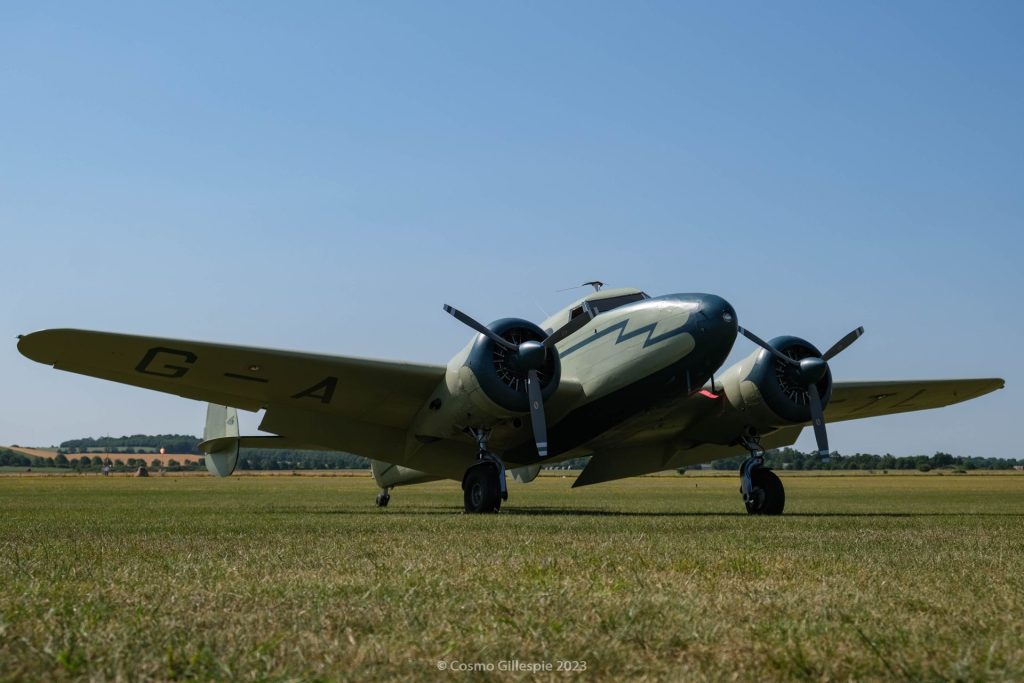
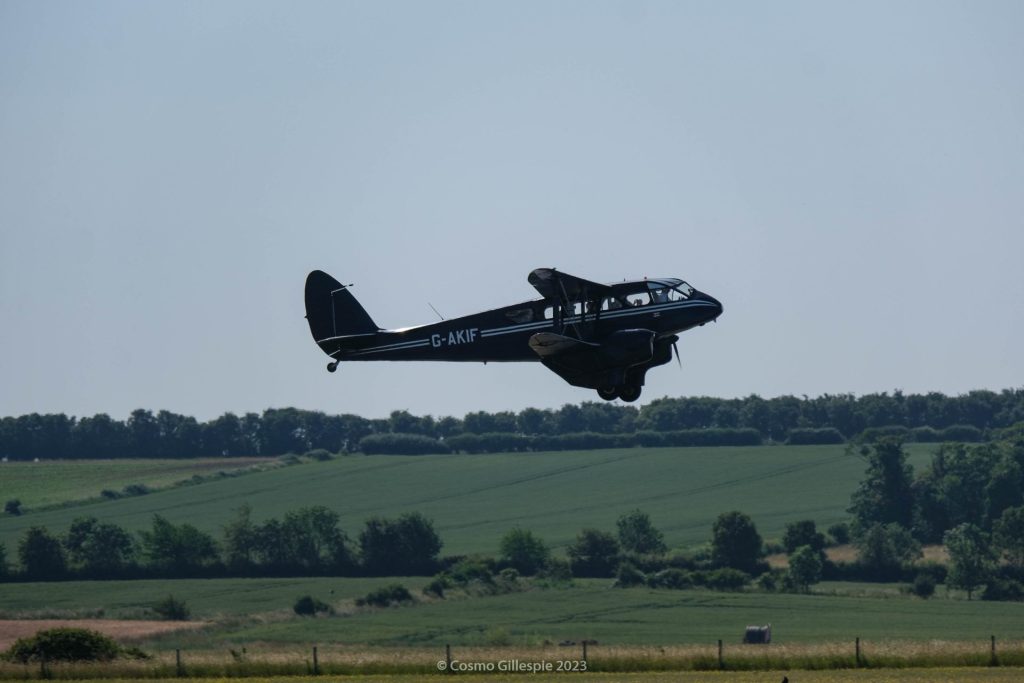
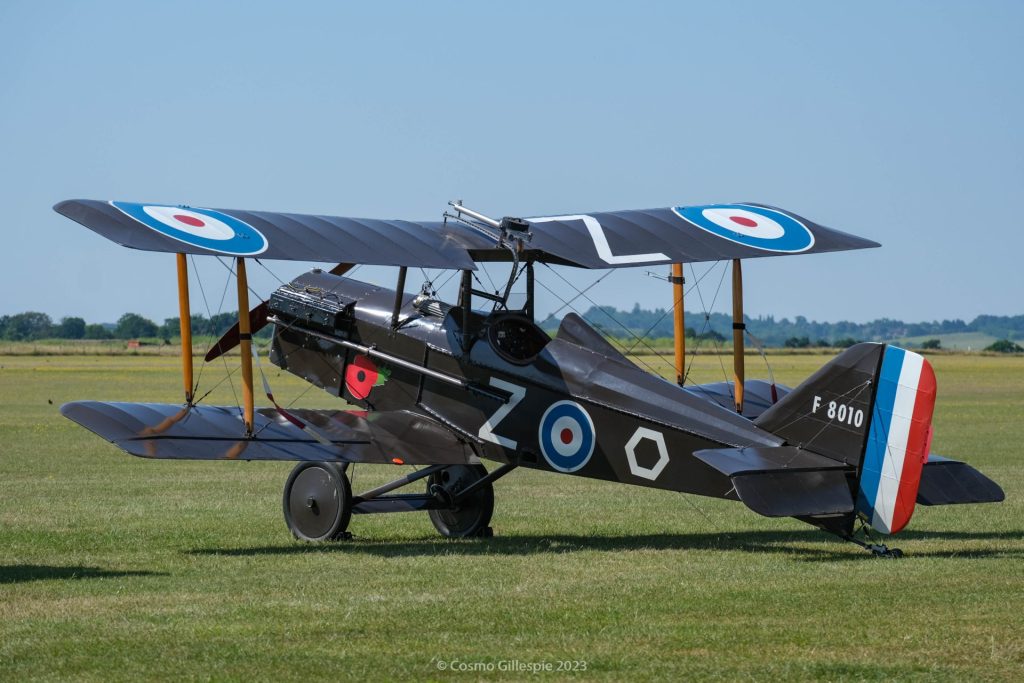
Top left: Vought Corsair ‘130 – A’. Top middle: Westland Gazelle G-CBGZ. Top left: Hawker Fury SR661. Middle left: de Havilland Tiger Moth PG657. Middle right: Gloster Gladiator N5903. Bottom left: Lockheed Electra G-AFTL. Bottom middle: de Havilland Dragon Rapide G-AKIF. Bottom right: Royal Aircraft Factory S.E.5 F8010.
Although I don’t have the results of the Bristol Blehneim’s flying display, I still caught it on the ground (below), and it make quite a pretty picture against the clear blue sky. The only imperfection in the left picture is the speck in the sky, which I almost edited out before realising it was actually the Dragon Rapide. Very atmospheric!

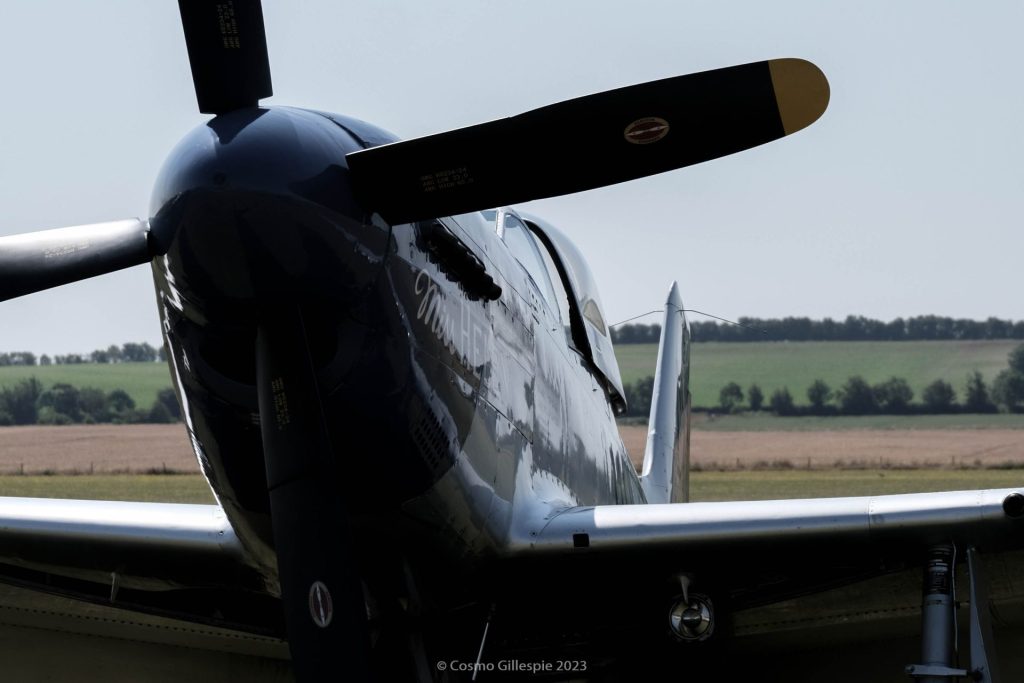
The P-51 Mustang (below) was of special interest to me because…well, it’s very pretty, isn’t it. I tried to create a more sleek look in the image on the right below by capturing the way the light reflected off the slightly uneven surface of the metal, and desaturating the colours and darkening the shadows to make it more minimalist, but I’ve had mixed reviews about the outcome.

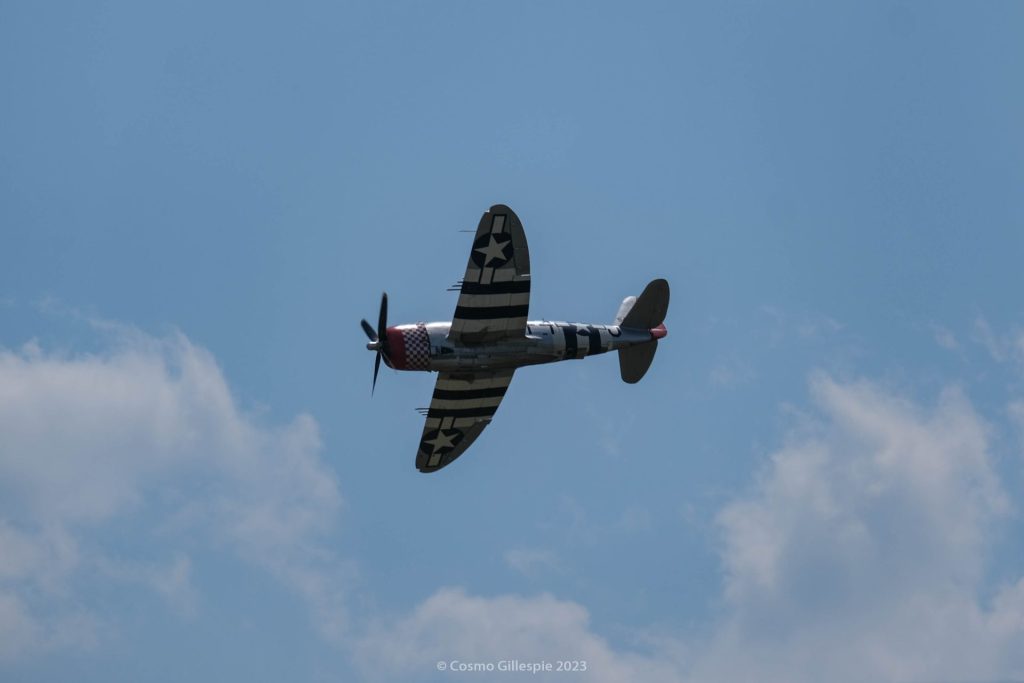
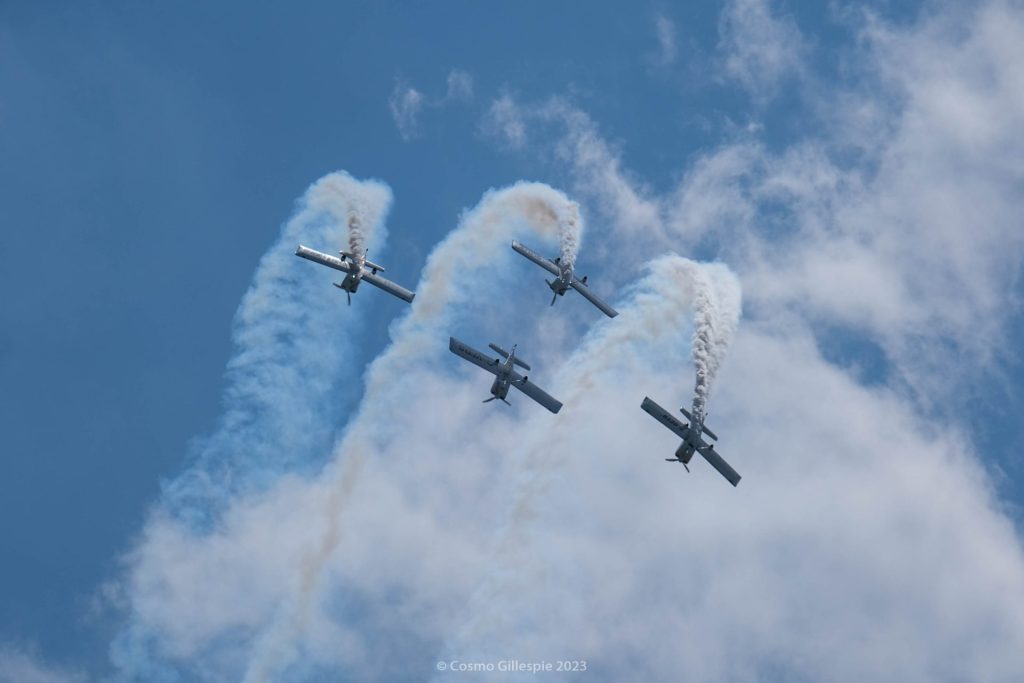
Finally, there’s a selection of three sky shots, featuring a P-47 Thunderbolt (below left), a Vans RV.8 quartet from Team Raven (below middle), and a de Havilland Vampire (below right). Not even half way through the Vampire’s display, and my photos just cut off, with 568 files missing between the last file name of this project and the first of the next. It’s lucky that I don’t delete originals, or I wouldn’t have known the extent of the problem! With the issue still unknown, it’s something I’ll be staying extra vigilant about for a long time to come.

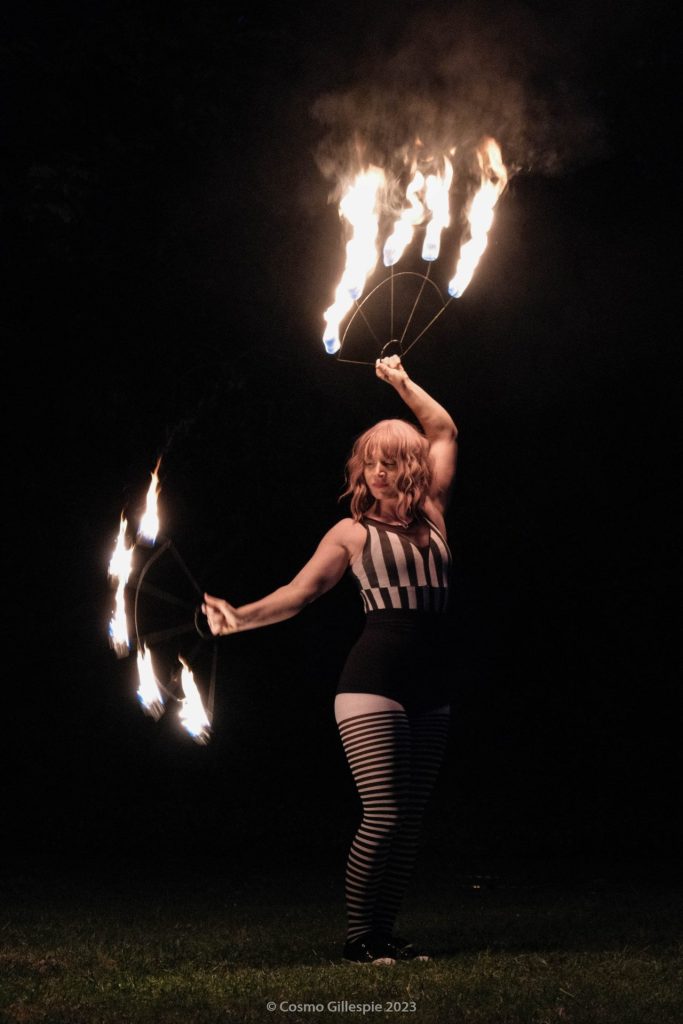
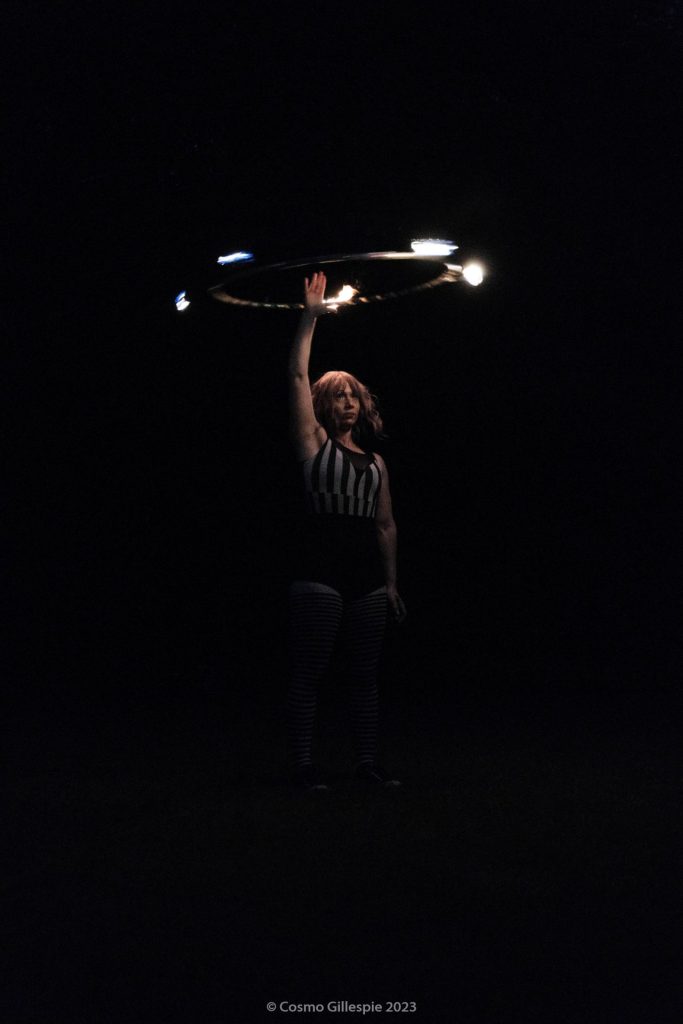
Only a couple of extras this month, from an unexpected opportunity to see a fire dancer (no, it wasn’t its own project). From my previous practice with long exposures, it was easy enough to get the required short exposures, after fewer stumbles than usual. Left: 1/50s, f/4, ISO 3200. Right: 1/100s, f/3.6, ISO 3200.